Tired of wrestling with stubborn cans, only to be left with jagged, dangerous edges? A reliable can opener is an unsung hero in any kitchen, transforming meal prep from a chore to a breeze. Good Cook offers a range of can openers designed to tackle this everyday task, promising ease of use and often, enhanced safety. But with various models and features available, how do you choose the perfect one for your culinary needs? This comprehensive guide dives deep into Good Cook can openers, exploring their types, key features, maintenance tips, and common issues, helping you find a tool that truly enhances your kitchen experience.
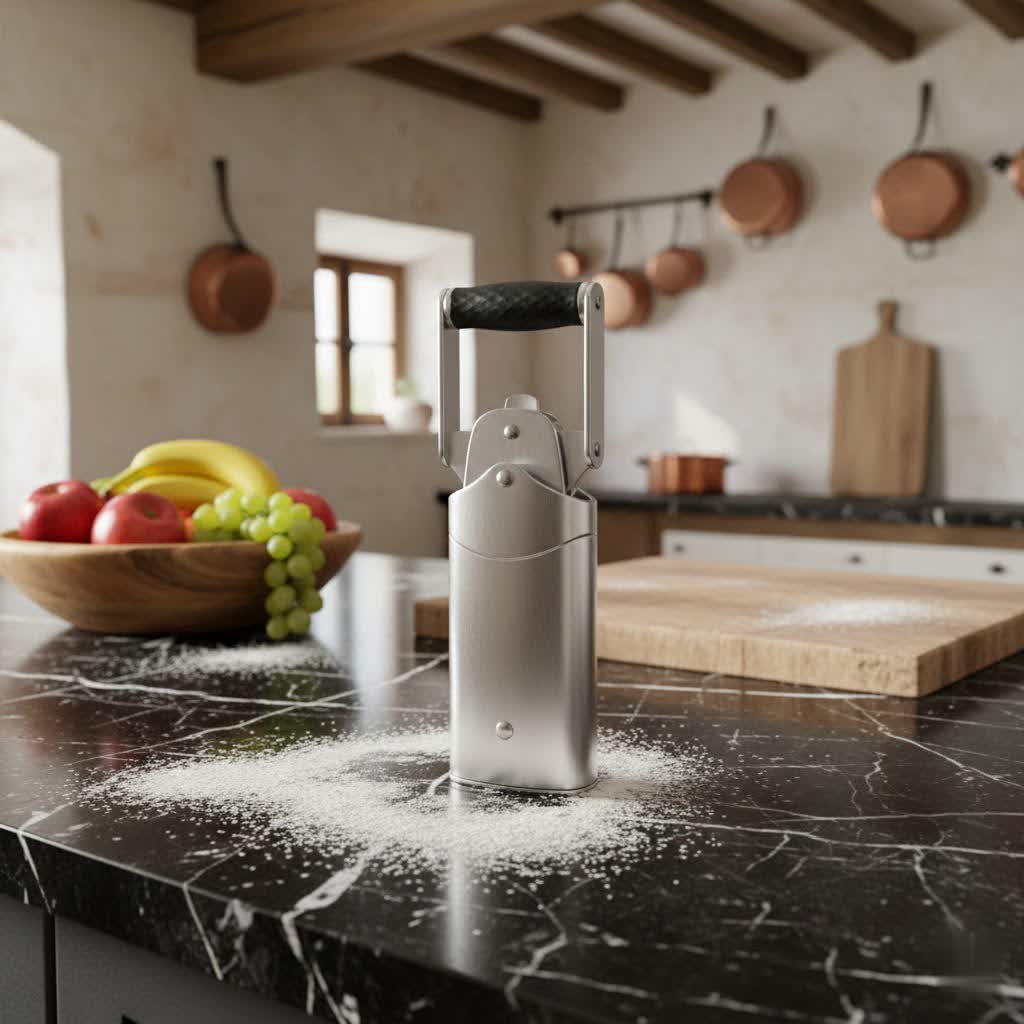
Your Ultimate Guide to Choosing the Best Good Cook Can Opener
Navigating the world of kitchen gadgets can be daunting, but understanding the nuances of a simple tool like a can opener can make a significant difference. Good Cook provides options catering to different preferences, with a strong emphasis on ergonomic design and innovative safety features.
Popular Good Cook Can Opener Types
Good Cook primarily offers manual can openers, falling into two main categories based on their cutting mechanism:
- Traditional Manual Can Openers (e.g., Good Cook Ready Soft Grip): These are the classic design most people are familiar with. They work by piercing the top of the can lid and cutting along the inner rim.
- Description: Typically feature a sharp cutting wheel and a gear that grips the can’s rim, operated by turning a knob and squeezing handles.
- Pros: Generally straightforward to use for those accustomed to this style. Many models include convenient integrated bottle openers.
- Cons: The primary drawback is that they often leave behind sharp, jagged edges on both the lid and the can, posing a safety risk. They can also occasionally slip off the can or require considerable hand strength. While initially effective, some users report issues with long-term durability, with gears ceasing to function or frames bending over time.
- Safe Cut Manual Can Openers (e.g., Good Cook Everyday Safe-Cut): These represent a modern approach to can opening, prioritizing user safety.
- Description: This innovative design cuts along the side of the can, just below the rim’s bead, rather than through the top.
- Pros: The most significant advantage is the smooth, blunt edges it leaves on both the can and the lid, virtually eliminating the risk of cuts. The cutting wheel also typically avoids contact with the food, enhancing hygiene and preventing cross-contamination. Another benefit is the ability to re-seat the lid on the can for temporary storage. Their ergonomic design, often with easy-grip handles and oversized turning knobs, makes them a popular choice for individuals with arthritis or limited hand strength.
- Cons: Some users report a slight learning curve to properly align and engage the safe-cut mechanism with the can. They might occasionally struggle with cans that have particularly thick or unusually shaped rims. Similar to traditional models, some users have noted concerns about the longevity of the gears or overall construction.
|
Our Picks for the Best Can Opener in 2026
As an Amazon Associate I earn from qualifying purchases.
|
||
| Num | Product | Action |
|---|---|---|
| 1 | Zulay Kitchen Heavy Duty Stainless Steel Can Opener Manual with Bottle Opener - Rust Proof Manual Can Opener With Turn Knob & Comfy Soft Grip Handles - Black |

|
| 2 | KitchenAid Classic Multifunction Can Opener and Bottle Opener Easy to Use, Razor Sharp Stainless Steel Cutting Wheel, Soft Ergonomic Handles, Almond Cream |
|
| 3 | Beneno Heavy Duty Hand Can Opener Manual with Magnet, Durable Sharp Carbon Steel Blade Smooth Cutting, Big Effort-Saving Knob & Soft Grip Handle, Multifunctional Kitchen Tool with Bottle Opener, Green |
|
| 4 | Electric Can Opener - One Touch Battery Operated Automatic Can Opener with Smooth Edges, Hands-Free Design, Perfect for Any Size Can, Ideal Kitchen Gadget for Seniors and Arthritis Sufferers |
|
| 5 | KitchenAid Classic Multifunction Can Opener and Bottle Opener Easy to Use, Razor Sharp Stainless Steel Cutting Wheel, Soft Ergonomic Handles, White |
|
| 6 | KitchenAid Classic Multifunction Can Opener and Bottle Opener Easy to Use, Razor Sharp Stainless Steel Cutting Wheel, Soft Ergonomic Handles, Pistachio |
|
| 7 | Left handed Can Opener and Bottler Openers, Left hand Kitchen Tools Utensils for Lefty Adults/People (Black) |
|
| 8 | Good Cook Can Opener, Safe Cut Manual Can Opener, no Sharp Can Edges, Black |
|
| 9 | GORILLA GRIP Heavy Duty Stainless Steel Smooth Edge Manual Can Opener, Soft Comfortable Handle, Large Handheld Turn Knob, Built-In Bottle Openers, US Designed, Holiday Prep Kitchen Essential, Black |
|
| 10 | Can Opener Manual, Can Openers Hand Held with Comfort Anti-Slip Handles, Heavy Duty Stainless Steel Can Opener Smooth Edge and Bottle Openers, Easy Turn Can Openers for Seniors, Kitchen, White |
|
When choosing between these types, consider your priorities: familiarity and integrated features, or enhanced safety and hygiene.
Key Factors to Consider When Buying a Good Cook Can Opener
Selecting the right can opener involves more than just picking the first one you see. Several factors contribute to its effectiveness, durability, and user satisfaction.
- Material Quality: Good Cook can openers typically feature high-carbon stainless steel cutting blades, which are crucial for a sharp, clean cut and resistance to rust. Handles often incorporate plastic or soft-grip rubber for comfort and secure handling. Chrome-plated finishes on the head are also found, providing durability and rust resistance. The overall construction material impacts how well the opener withstands regular use.
- Durability and Lifespan: This is a crucial consideration for Good Cook models, as user reviews present a mixed picture. While some owners laud their can openers for lasting years, a notable number report issues with durability, with tools failing within weeks or months. Common complaints include the handles bending, the turning mechanism seizing, or the gears no longer engaging effectively. It’s important to understand that performance can vary, and proper maintenance can significantly influence lifespan.
- Ease of Use and Cleaning: Good Cook prides itself on user-friendly designs. Features like large, soft-grip handles and oversized turning knobs are designed to reduce hand strain and make operation comfortable. The Safe Cut models, once mastered, are generally considered easy to operate, requiring minimal effort. Cleaning is usually straightforward; Safe Cut models often only require wiping with a damp cloth as the blade doesn’t contact food. Traditional models might need a bit more attention to clean food residue from the cutting wheel and gears.
- Safety Features: For many, the “Safe Cut” technology is the defining safety feature, creating smooth, non-sharp edges. This dramatically reduces the risk of accidental cuts, making them ideal for families with children or anyone prioritizing safety in the kitchen. Traditional models inherently carry a higher risk of sharp edges.
- Price: Good Cook can openers are generally positioned as an affordable option, making them an accessible tool for most households. This value proposition is appealing, but as noted, it can sometimes come with varying reports on long-term durability.
Good Cook Can Openers: A Closer Look at Their Offerings
Good Cook is a brand focused on delivering everyday kitchen tools that blend functionality with user comfort. Their can openers exemplify this philosophy, with the Safe Cut models being a particular highlight. Users often praise the smooth edge left by these side-cutting openers, valuing the peace of mind they offer. The ergonomic handles across their range are frequently cited as a positive, particularly by those who struggle with traditional, less comfortable designs.
However, the brand faces recurring feedback regarding the consistency of its products’ durability. While some customers enjoy a robust, long-lasting tool, others experience premature wear, especially with the gears and turning mechanisms. This suggests that while the design principles are strong, there might be variations in manufacturing quality. Despite these concerns, the core innovation of the Safe Cut technology, which ensures safer can and lid edges, remains a strong selling point for the Good Cook brand.
Detailed Comparison of Good Cook Can Opener Features
To help you decide, here’s a comparison focusing on the key differences between Good Cook’s main can opener types:
| Feature | Good Cook Traditional Manual (e.g., Ready Soft Grip) | Good Cook Safe Cut Manual (e.g., Everyday Safe-Cut) |
|---|---|---|
| Cutting Method | Pierces the top of the can lid and cuts along the inner rim. | Cuts along the side of the can, below the rim’s bead. |
| Edge Safety | Leaves sharp edges on both the lid and the can. | Creates smooth, blunt edges on both the lid and the can. |
| Food Contact | Cutting wheel may come into contact with can contents. | Cutting wheel generally does not touch the food, enhancing hygiene. |
| Ease of Use | Familiar operation; generally straightforward for most users. | Requires a slight initial learning curve for proper alignment and engagement. |
| Ergonomics | Often features soft-grip, contoured handles and an oversized turning knob for comfort. | Designed with ergonomic, easy-grip handles, often recommended for users with arthritis. |
| Durability | Mixed user reviews; some reports of gears seizing or frames bending over time. | Mixed user reviews; some reports of issues with gears or overall longevity. |
| Additional | Many models include an integrated bottle opener. | Allows the lid to be re-seated on the can for temporary storage. |
| Best For | Those who prefer a classic opening method and value familiar operation. | Safety-conscious individuals, those with limited hand strength or arthritis, and those who prioritize clean-cut edges. |
How to Use and Maintain Your Good Cook Can Opener
Proper use and regular maintenance are crucial for maximizing the performance and lifespan of any kitchen tool, including your Good Cook can opener.
General Usage (Manual Can Openers):
- Position: For traditional openers, align the cutting wheel just inside the can’s rim, with the gear gripping the outside. For Safe Cut models, gently place the opener on the rim, keeping it straight and parallel to your counter surface.
- Engage: Squeeze the handles firmly (for traditional) or turn the knob slightly to engage the cutting wheel with the can’s edge.
- Cut: Rotate the turning knob clockwise. You should feel a slight tension as the blade or mechanism cuts into the metal. Continue turning steadily around the entire circumference of the can.
- Release: Once the lid is fully separated, you may feel a slight skip in tension. For Safe Cut models, turn the knob a quarter turn counter-clockwise to release the opener. For traditional models, simply release the handles.
- Remove Lid: Carefully lift the lid from the can. With Safe Cut models, the lid will have smooth edges and can often be re-seated.
Maintenance Tips for Longevity:
- Clean After Each Use: Food residue is a primary culprit for can opener malfunction and rust. Immediately after use, wipe down the cutting wheel, gears, and any other parts that contacted the can. For Safe Cut models, a damp cloth is often sufficient. For traditional models, a quick rinse under warm water with a little soap can help, ensuring you dry it thoroughly afterward.
- Remove Stubborn Debris: Use a stiff brush or an old toothbrush to dislodge any food particles that get stuck in the gears or around the cutting mechanism. A toothpick can also be useful for tight spaces.
- Lubrication (If Applicable): If your can opener’s turning mechanism feels stiff, a tiny drop of food-grade mineral oil or even vegetable oil applied to the shaft where the gears move can restore smooth operation. Wipe away any excess to prevent it from transferring to food.
- Dry Storage: Always store your can opener in a dry environment to prevent rust, especially on metal components.
Common Issues with Good Cook Can Openers and How to Fix Them
Despite their design, Good Cook can openers can sometimes encounter problems. Here are common issues and practical troubleshooting steps:
- Can Opener Not Engaging or Slipping:
- Cause: Often due to improper alignment, a buildup of food residue on the gears, or worn-out gears that can’t grip the can effectively.
- Fix: Ensure you are aligning the opener correctly on the can’s rim. Thoroughly clean the cutting wheel and gears to remove any sticky residue. If the gears appear visibly worn or stripped, the opener may need replacement, as this indicates significant wear.
- Not Cutting Cleanly or Shredding Metal:
- Cause: A dull cutting blade (more common in traditional openers), or again, debris jamming the cutting mechanism. For Safe Cut models, struggling to cut cleanly might indicate misalignment or an issue with the cutting wheel engaging the can’s bead.
- Fix: Clean the opener diligently. For traditional openers, a dull blade can be problematic and might require a new opener. For Safe Cut models, ensure you’re starting the cut correctly and turning steadily. If the problem persists, it could be a manufacturing defect.
- Handle Bending or Gears Stopping Turning:
- Cause: This is often a sign of material fatigue or a manufacturing flaw, especially if it happens after only a few uses. Forcing the opener when it’s stuck can also exacerbate this.
- Fix: If the damage is severe (e.g., a bent frame), repair is generally not feasible, and replacement is the best option. For minor stiffness in turning, cleaning and lubrication can sometimes resolve it.
- Prevention is Key: To avoid most of these issues, always use your can opener as instructed, avoid forcing it, and commit to cleaning it immediately after each use.
Where to Buy Good Cook Can Openers
Good Cook can openers are widely available, making them easy to purchase both online and in physical stores.
- Online Retailers: You can find Good Cook can openers on major e-commerce platforms like Amazon, Target.com, Walmart.com, and eBay. Specialized kitchenware websites may also carry them.
- Brick-and-Mortar Stores: Look for them in the kitchenware aisle of large supermarkets, department stores, and home goods stores.
- Tips for Buying: When purchasing online, always compare prices from different sellers and check the latest customer reviews for insights into current product quality. Verify the seller’s return policy. Be cautious of suspiciously low prices from unofficial sources, as product quality might be compromised.
Tips and Tricks for Optimal Can Opener Use
Beyond basic operation, a few tricks can help you get the most out of your Good Cook can opener and keep it performing its best.
Tips for Opening Different Can Types
- Standard Cans: Good Cook can openers, both traditional and Safe Cut, are designed for standard aluminum and steel cans and generally perform well.
- Cans with Thicker Rims: If using a Safe Cut model on cans with particularly thick or robust rims, ensure a very firm, stable grip and turn the knob steadily. It might require slightly more initial effort to engage properly.
- Small or Oversized Cans: Confirm that the opener can securely clamp onto the can’s diameter. Some very small or unusually large cans might be challenging for certain models.
- Cans for Draining (e.g., Tuna): A key difference with Safe Cut openers is that they completely remove the lid. If you typically use the lid to press down and drain liquid from tuna or other canned goods, a Safe Cut opener will make this method impossible. You may need a separate colander or keep an old-style opener for this specific task.
Tricks for Cleaning Your Can Opener Effectively
- Deep Clean the Gears: For stubborn grime, an old, stiff toothbrush is your best friend. Get into every crevice around the cutting wheel and gear assembly to dislodge dried food.
- Disassembly for Manual Openers: Some manual can openers (though not all Good Cook models) allow for partial disassembly (e.g., removing a screw to take off the blade and cog). This provides access for a more thorough cleaning and allows for lubrication of the spindle. If you do this, remember the order of parts for reassembly.
- Avoid Prolonged Soaking: While rinsing is fine, prolonged immersion, especially for chrome-plated or mechanically complex parts, can lead to rust and damage the internal mechanisms. Wipe clean and dry thoroughly.
What to Do When Your Can Opener Gets Stuck
Encountering a stuck can opener can be frustrating, but don’t resort to brute force.
- Don’t Force It: Applying excessive pressure can bend the handles, strip the gears, or even damage the can, making the problem worse.
- Check for Obstructions: Remove the opener from the can and carefully inspect the cutting wheel and gears. A small piece of paper from the can label or a dried food particle could be the culprit. Clean it out with a brush or toothpick.
- Re-align and Re-engage: Sometimes the opener simply wasn’t aligned properly. Take it off, re-position it squarely on the can’s rim, and try engaging it again with a steady, even pressure.
- Gentle Lubrication: If the turning mechanism feels stiff and you’ve confirmed there’s no visible obstruction, a tiny drop of food-safe oil on the turning shaft can often help free up a sticky gear. Turn it gently back and forth to distribute the lubricant.
- Consider Quality: If your can opener frequently gets stuck despite proper cleaning and alignment, it might indicate a manufacturing defect or that the tool is nearing the end of its lifespan.
Frequently Asked Questions
Is the Good Cook Safe Cut can opener truly safe?
Yes, the Good Cook Safe Cut can opener is specifically designed to cut along the side of the can, beneath the rim, producing smooth, blunt edges on both the can and the lid. This significantly reduces the risk of accidental cuts compared to traditional can openers that leave sharp, jagged edges.
Why does my Good Cook can opener stop working after a short time?
Some users report durability issues with Good Cook can openers, where they may stop working due to gears seizing, misalignment, or components bending. This can often be caused by food residue buildup on the cutting wheel or gears, or simply manufacturing quality variations. Regular cleaning and occasional lubrication can help extend its lifespan.
Can I put the lid back on a can after using a Good Cook Safe Cut opener?
Yes, a distinct advantage of the Good Cook Safe Cut can opener is that it removes the entire lid cleanly without leaving sharp edges. This allows you to re-seat the lid on the can for temporary storage. However, this is not an airtight seal and is best for short-term refrigeration.
Are Good Cook can openers good for people with arthritis?
Many Good Cook can openers, especially models featuring soft-grip or contoured handles and oversized turning knobs, are designed with ergonomics in mind. The Safe Cut models, which require less hand strength to operate once engaged and avoid sharp edges, are often recommended for individuals with arthritis or limited hand strength, offering a more comfortable experience.
