Are you tired of battling stubborn can lids with a manual opener, struggling with hand pain, or simply looking for a more efficient way to get to your favorite foods? If so, a Battery Operated Can Opener might be the kitchen game-changer you need. These innovative gadgets offer a blend of convenience, safety, and ease of use that can transform your cooking experience, especially for individuals with arthritis, limited grip strength, or anyone who frequently opens canned goods. Say goodbye to jagged edges and strained wrists, and welcome a smoother, safer, and more effortless approach to opening cans.
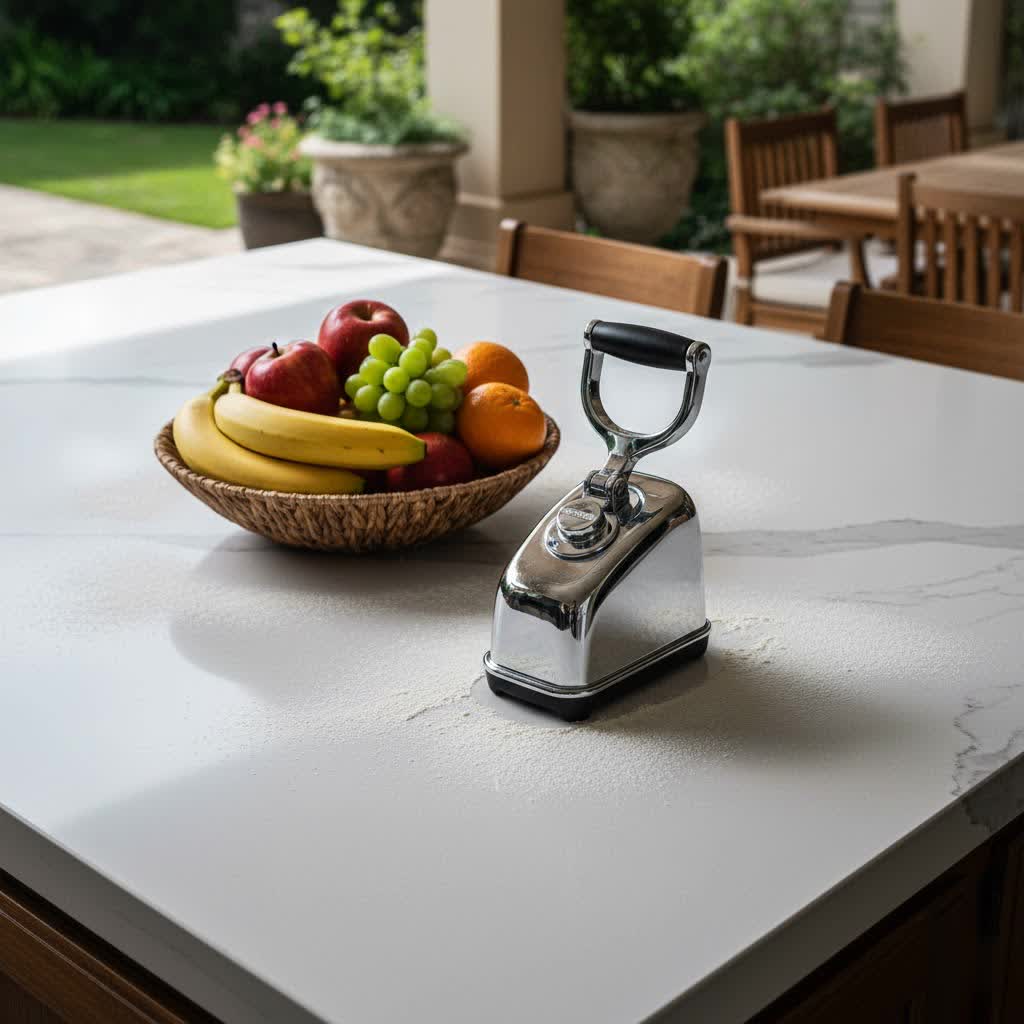
Guide to Choosing the Best Battery Operated Can Opener
Selecting the perfect battery operated can opener involves understanding the different types available and considering key features that align with your specific kitchen needs and preferences. From the power source to the type of cut, each detail contributes to the overall performance and user experience.
Types of Can Openers
While manual can openers are a traditional staple, electric models have evolved to offer significant advantages. Within the electric category, battery operated can openers provide unique benefits over their corded counterparts.
- Manual Can Openers: These are the classic hand-crank models, requiring physical effort and often leaving sharp edges. They are inexpensive and reliable in a power outage but can be challenging for some users.
- Electric Countertop Can Openers: Typically larger, these plug-in units sit on your counter. They offer hands-free operation and consistent power but lack portability and take up valuable counter space.
- Battery Operated (Handheld) Can Openers: These are the focus of our guide, prized for their portability and convenience. They come in two main sub-types:
- Standard Battery (AA/AAA) Powered: These models use disposable batteries. They are great for occasional use or emergencies when power isn’t available, but power can diminish as batteries run low, and you’ll need to keep replacements on hand.
- Rechargeable (USB-C) Can Openers: A more modern and increasingly popular choice, these feature a built-in rechargeable battery, often charged via USB-C. They offer consistent cutting power, are more environmentally friendly by reducing battery waste, and typically have a lower long-term cost as you don’t need to buy replacement batteries. They are always ready after a quick charge, making them ideal for frequent use.
|
Our Picks for the Best Can Opener in 2026
As an Amazon Associate I earn from qualifying purchases.
|
||
| Num | Product | Action |
|---|---|---|
| 1 | KitchenAid Classic Multifunction Can Opener and Bottle Opener Easy to Use, Razor Sharp Stainless Steel Cutting Wheel, Soft Ergonomic Handles, Almond Cream |

|
| 2 | KitchenAid Classic Multifunction Can Opener and Bottle Opener Easy to Use, Razor Sharp Stainless Steel Cutting Wheel, Soft Ergonomic Handles, White |
|
| 3 | Zulay Kitchen Heavy Duty Stainless Steel Can Opener Manual with Bottle Opener - Rust Proof Manual Can Opener With Turn Knob & Comfy Soft Grip Handles - Black |
|
| 4 | Beneno Heavy Duty Hand Can Opener Manual with Magnet, Durable Sharp Carbon Steel Blade Smooth Cutting, Big Effort-Saving Knob & Soft Grip Handle, Multifunctional Kitchen Tool with Bottle Opener, Green |
|
| 5 | KitchenAid Classic Multifunction Can Opener and Bottle Opener Easy to Use, Razor Sharp Stainless Steel Cutting Wheel, Soft Ergonomic Handles, Pistachio |
|
| 6 | Left handed Can Opener and Bottler Openers, Left hand Kitchen Tools Utensils for Lefty Adults/People (Black) |
|
| 7 | Can Opener Manual, Can Openers Hand Held with Comfort Anti-Slip Handles, Heavy Duty Stainless Steel Can Opener Smooth Edge and Bottle Openers, Easy Turn Can Openers for Seniors, Kitchen, White |
|
| 8 | Good Cook Can Opener, Safe Cut Manual Can Opener, no Sharp Can Edges, Black |
|
| 9 | GORILLA GRIP Heavy Duty Stainless Steel Smooth Edge Manual Can Opener, Soft Comfortable Handle, Large Handheld Turn Knob, Built-In Bottle Openers, US Designed, Holiday Prep Kitchen Essential, Black |
|
| 10 | Electric Can Opener - One Touch Battery Operated Automatic Can Opener with Smooth Edges, Hands-Free Design, Perfect for Any Size Can, Ideal Kitchen Gadget for Seniors and Arthritis Sufferers |
|
Important Factors When Buying a Battery Operated Can Opener
When you’re ready to invest in a battery operated can opener, consider these crucial factors to ensure you pick a model that perfectly suits your lifestyle.
- Cut Type: This is perhaps the most significant feature for safety.
- Side-cut (or smooth-edge) openers cut beneath the can’s rim, unsealing the top and leaving a smooth, safe edge on both the can and the lid. This method prevents the blade from touching the food, making it more hygienic and easier to clean. It also allows the lid to be replaced for temporary storage.
- Top-cut openers pierce the lid just inside the rim, often leaving a sharp, jagged edge. The blade makes contact with the food, necessitating thorough cleaning after each use. For safety and hygiene, side-cut is generally preferred.
- Ease of Use: Look for models with one-touch operation, where you simply position the opener, press a button, and it does the rest. Automatic shut-off features are a huge plus, allowing for hands-free operation and preventing over-cutting. This is especially beneficial for individuals with limited dexterity.
- Battery Type and Life: Decide between disposable battery models (e.g., AA) for occasional use or rechargeable models (often USB-C) for consistent power, cost savings, and environmental benefits. Rechargeable models typically offer a longer operational time per charge.
- Durability and Material: Opt for models with robust construction, often featuring stainless steel cutting mechanisms or sturdy plastic bodies. A well-built opener will last longer and perform more reliably.
- Safety Features: Beyond a smooth-edge cut, some can openers include a built-in magnet to automatically lift the lid once cut, preventing you from having to touch potentially sharp edges.
- Cleaning: Battery operated can openers should never be submerged in water. Look for designs that are easy to wipe clean with a damp cloth. Some models may have detachable cutting units for easier, more thorough cleaning.
- Portability and Storage: Handheld battery operated openers are inherently portable. Consider their size and how easily they can be stored in a drawer or cabinet without taking up too much space.
- Price: Prices vary widely. While budget models exist, investing a little more often translates to better durability, performance, and features like smooth-edge cutting and rechargeable batteries.
Top Battery Operated Can Opener Brands and Models
Several brands excel in the battery operated can opener market, offering reliable and user-friendly options.
- Kitchen Mama: A leading brand, the Kitchen Mama One-Touch Electric Can Opener (battery-operated) is frequently praised for its hands-free operation, smooth-edge side-cut, and automatic shut-off. Their rechargeable models, like the Orbit One and Mini Plus, further enhance convenience with USB-C charging and consistent power, making them excellent choices for seniors and those with weak hands.
- Hamilton Beach: The Hamilton Beach Walk ‘n Cut Can Opener is a notable rechargeable, handheld model. It’s designed to “walk” around the can, offering hands-free operation and a smooth cut, though it might be larger than some compact models.
- Other Mentions: Brands like Black+Decker and Proctor Silex also offer battery-operated or handheld electric options that provide hands-free convenience, though it’s important to verify if they are truly battery-operated rather than corded electric models when researching.
For many, the Kitchen Mama brand stands out due to its consistent focus on user-friendly design, safety features, and often the choice between traditional battery-operated and modern rechargeable solutions.
Detailed Comparison of Popular Battery Operated Can Openers
| Feature | Standard Battery Operated (e.g., Kitchen Mama One-Touch) | Rechargeable Battery Operated (e.g., Kitchen Mama Orbit One/Mini Plus, Hamilton Beach Walk ‘n Cut) |
|---|---|---|
| Power Source | Disposable AA/AAA batteries | Built-in rechargeable battery (USB-C) |
| Power Consistency | May decrease as batteries weaken | Consistent until recharge is needed |
| Cut Type | Primarily side-cut (smooth edge) | Primarily side-cut (smooth edge) |
| Ease of Use | One-touch, hands-free, auto shut-off | One-touch, hands-free, auto shut-off, often ergonomic |
| Environmental Impact | Requires battery disposal | Reduces waste, eco-friendlier |
| Long-Term Cost | Higher (due to battery replacements) | Lower (one-time purchase, free recharging) |
| Best For | Occasional users, emergency kits | Frequent users, busy kitchens, eco-conscious individuals |
| Key Benefits | Portable, simple, affordable entry point | Reliable power, convenient charging, sustainable |
| Potential Drawbacks | Batteries can die mid-use, variable power | Higher initial cost |
> “The convenience of a hands-free, smooth-edge cut can opener is unparalleled, especially for those managing kitchen tasks with dexterity challenges.”
How to Use and Maintain Your Battery Operated Can Opener
Proper usage and maintenance will ensure your battery operated can opener performs optimally and lasts for years.
Using Your Can Opener Safely and Effectively:
- Positioning: Place the can opener flat on top of the can, ensuring the cutting wheel and gear are correctly aligned with the can’s rim.
- Operation: Press the start button once. The opener should automatically grip the can and begin rotating around the lid. Most models are hands-free, so you don’t need to hold it.
- Lid Removal: Once the rotation is complete, the opener will either stop automatically or you’ll press the button again to halt it. Many models feature a magnet that holds onto the severed lid, allowing for safe and easy disposal without touching sharp edges.
Maintenance Tips for Longevity:
- Cleaning: Never submerge your battery operated can opener in water, as this can damage the internal electronics. Instead, wipe the exterior surfaces with a damp cloth immediately after use. If food debris gets into the cutting mechanism, use a small brush or old toothbrush to gently clean the area, ensuring it’s completely dry before storage.
- Battery Care: For disposable battery models, remove the batteries if you plan to store the opener for an extended period to prevent corrosion. For rechargeable models, follow the manufacturer’s guidelines for charging, typically via a USB-C cable.
- Regular Inspection: Periodically check the cutting wheel and gears for any signs of wear, dullness, or accumulated debris. A well-maintained blade ensures clean cuts every time.
Common Issues and Troubleshooting for Battery Operated Can Openers
Even the best kitchen tools can encounter hiccups. Here are some common problems and their solutions for battery operated can openers:
- Problem: Can opener doesn’t power on or rotates slowly.
- Solution: This is almost always battery-related. Ensure batteries are fresh, installed correctly (check polarity), and of the same type and age. Old, weak, or mixed batteries can significantly impact performance. For rechargeable models, ensure it’s fully charged.
- Problem: Can opener doesn’t cut properly or gets stuck on the can.
- Solution: Check the blade and gears for food debris or stickiness; a thorough cleaning might be needed. Ensure the can’s edge is properly positioned between the cutting wheel and the metal gear. For dented or unusually shaped cans, you might need to gently guide the opener or try a different angle. Some models advise slightly lifting the bottom of the can for better grip on certain can types.
- Problem: Can opener doesn’t detach after completing a full rotation.
- Solution: Do not force it off, as this can damage the device or the can. For many models, removing and reinserting the batteries can reset the opener, or pressing the button again will release the grip.
- Problem: The magnetic lid holder isn’t working.
- Solution: Moisture between the lid and the can, or certain can types, can interfere with the magnet. In such cases, manually lift the lid carefully. Ensure the can opener is dry before and after use.
Where to Buy Battery Operated Can Openers
Finding your ideal battery operated can opener is easy with a variety of purchasing options:
- Online Retailers: Websites like Amazon, Walmart, and the official brand websites (e.g., Kitchen Mama) offer a wide selection, competitive pricing, and user reviews. This is often the best place to compare models and features side-by-side.
- Department Stores and Kitchenware Shops: Many large retailers and specialty kitchen stores carry a range of electric can openers, allowing you to see and feel the product before purchasing.
- Tips for Online Shopping: Always read customer reviews, check the product’s warranty information, and understand the return policy before making a purchase. Be wary of unbranded products with unusually low prices.
Tips and Tricks for Using Your Battery Operated Can Opener
Beyond basic operation, a few extra tips can enhance your experience and extend the life of your battery operated can opener.
Tips for Opening Different Can Types
Most battery operated can openers are designed for standard cans. However, some can handle more challenging situations:
- Dented Cans: High-quality side-cut openers, like some Kitchen Mama models, are often capable of opening cans with minor dents without issue. You might need to gently guide the opener past the dented area.
- Oversized or Undersized Cans: While most handle common sizes, check product specifications for very large (e.g., #10 cans) or very small (e.g., tuna cans) if these are frequent in your kitchen.
- Pull-Tab Cans: If you struggle with breaking the seal on pull-tab cans, a side-cut can opener can sometimes be used to remove the lid smoothly, offering an alternative to pulling the tab.
Cleaning Your Can Opener Effectively
Maintaining a clean can opener is vital for hygiene and performance.
- Immediate Wipe-Down: After each use, wipe down the exterior with a slightly damp cloth to remove any food residue.
- Blade and Gear Cleaning: For dried or sticky residue around the blade and gears, use a small, stiff brush (like a toothbrush) with a little warm, soapy water. Ensure the brush is only damp, not soaking wet, and be careful around the blade.
- Dry Thoroughly: Always ensure the entire unit is completely dry before storing it to prevent rust or battery compartment corrosion.
What to Do if Your Can Opener Gets Stuck
If your can opener stops mid-way or refuses to release the lid, follow these steps:
- Don’t Force It: Pulling or twisting forcefully can damage the opener or create dangerous sharp edges.
- Reset: For battery-operated models, removing and reinserting the batteries often resets the internal mechanism, allowing it to release its grip or complete the cut.
- Re-engage: Sometimes, pressing the start button again will reverse the motor slightly or complete the cut, allowing for release.
- Inspect: Check for any visible obstructions, such as a piece of the can label or food residue, that might be jamming the mechanism.
Conclusion
Battery operated can openers offer a powerful solution for effortless and safe can opening, transforming a mundane kitchen chore into a simple, one-touch task. Whether you prioritize the consistent power of a rechargeable model or the go-anywhere convenience of a standard battery-powered unit, choosing a side-cut opener with hands-free operation ensures safety and ease, making it an invaluable tool for every kitchen, particularly for those seeking relief from manual effort. By considering the type of cut, battery efficiency, and ease of cleaning, you can select the perfect battery operated can opener to enhance your culinary journey.
Ready to upgrade your kitchen? Which feature of battery operated can openers appeals most to your daily cooking routine?
Frequently Asked Questions
Are battery operated can openers ideal for individuals with arthritis or limited hand strength?
Absolutely! Battery operated can openers are designed with ease of use in mind, often featuring one-touch, hands-free operation and smooth-edge cutting. This significantly reduces the strain and dexterity required compared to manual can openers, making them an excellent choice for those with arthritis, carpal tunnel syndrome, or limited grip strength.
How do I clean my battery operated can opener?
To clean your battery operated can opener, wipe the exterior with a damp cloth. Never submerge the unit in water, as this can damage the electronic components. For stubborn food residue around the cutting mechanism, use a small brush (like an old toothbrush) with a little soapy water, ensuring it is thoroughly dried before storage.
Can battery operated can openers open all sizes of cans, including large or unusually shaped ones?
Most battery operated can openers handle standard can sizes with ease. Some high-quality models are adept at navigating minor dents or slightly unusual shapes. However, extremely large commercial-sized cans or very tiny specialty cans might pose a challenge for certain models, so always check the product specifications if you frequently use non-standard cans.
What’s the main difference between a regular battery-powered and a rechargeable battery operated can opener?
A regular battery-powered can opener uses disposable AA or AAA batteries, which need to be replaced periodically and may offer inconsistent power as they drain. A rechargeable model features a built-in battery, typically charged via USB, providing more consistent power, reducing long-term costs, and being more environmentally friendly by eliminating disposable battery waste.
Do battery operated can openers leave sharp edges on cans?
The best battery operated can openers utilize a “side-cut” mechanism, which cuts beneath the can’s rim, leaving a completely smooth, safe edge on both the can and the lid. This is a significant safety advantage over traditional “top-cut” openers that can leave sharp, jagged edges. Always look for models advertised with a smooth-edge or side-cut feature.
