Opening cans and bottles might seem like a simple kitchen task, but anyone who’s wrestled with a stubborn lid or dealt with a jagged edge knows it can quickly become a frustrating ordeal. From meticulously sealed cans of diced tomatoes to tightly capped bottles of sparkling water, having the right tool makes all the difference. For over a decade, I’ve delved deep into the world of can and bottle openers, from timeless classics to innovative modern designs. This comprehensive guide, born from extensive research and hands-on testing, will walk you through everything you need to know to select the perfect Can Opener And Bottle Opener combo for your kitchen, ensuring safety, efficiency, and comfort with every use.
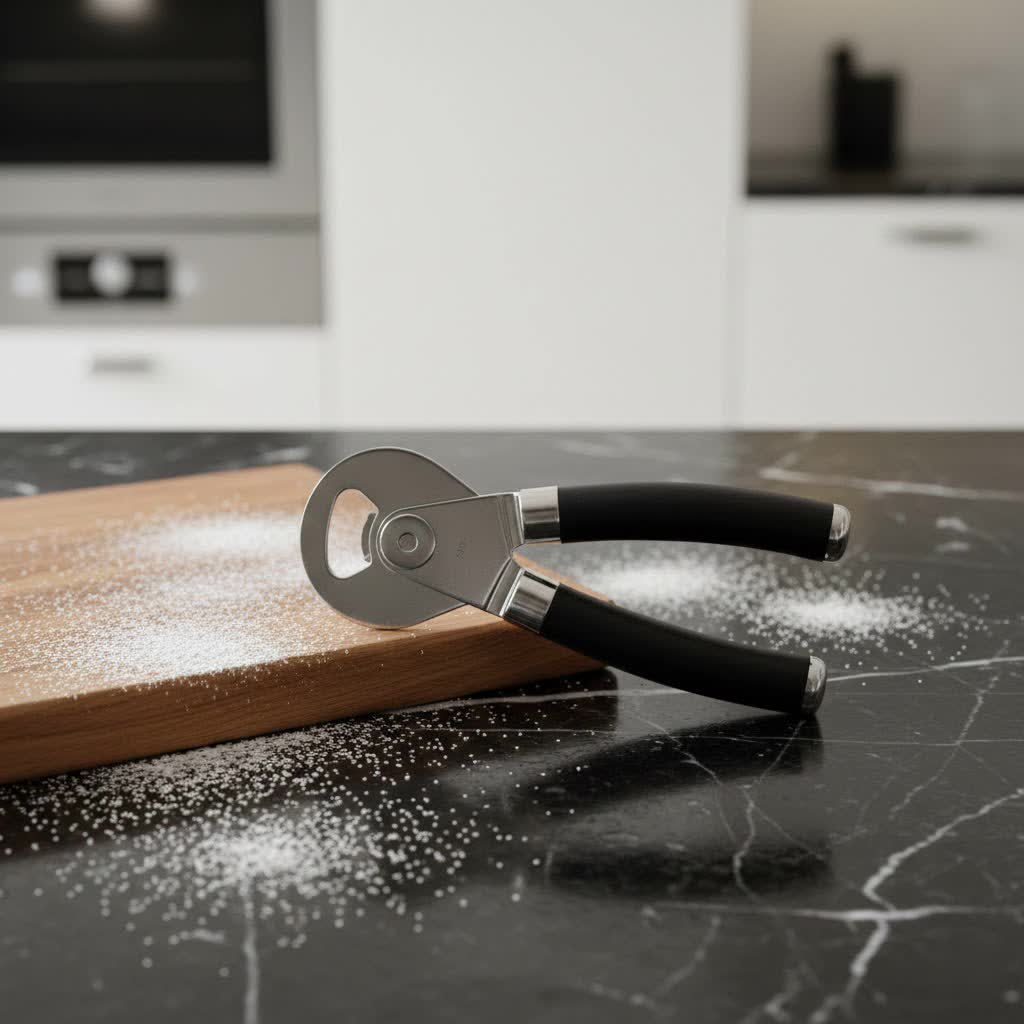
Guide to Choosing the Best Can Opener and Bottle Opener
Navigating the array of can and bottle openers can be daunting. Understanding the different types and their features is crucial to making an informed decision that suits your cooking style and physical needs.
Types of Can Openers and Bottle Openers
Can openers come in several forms, each with unique advantages and disadvantages. Many modern designs integrate bottle openers, offering convenient two-in-one functionality.
-
Manual Can Openers: These are the most common and classic type.
- Traditional Rotary Style: These feature plier-like handles, a serrated blade wheel, and a turning knob. You clamp the opener onto the can’s rim and twist the knob to rotate the can, cutting the lid from the top. While generally affordable and portable, they can leave sharp, jagged edges on both the lid and the can. Many traditional manual can openers include a built-in bottle opener on one of the handles.
- Side-Cut/Smooth-Edge Safety Openers: These innovative designs cut along the side seam of the can, just below the rim, rather than through the top. This method leaves a smooth, safe edge on both the can and the lid, minimizing the risk of cuts. The cutting mechanism often doesn’t touch the food, making them more hygienic and easier to clean. They typically require a specific technique to latch on, but once engaged, they operate smoothly.
- Church Key Openers: Resembling old-fashioned keys, these simple tools have a pointed tip to puncture and pry open flat-topped cans (like juice or beer cans) and a hooked end for bottle caps. They are compact and durable but leave very sharp edges and are not suitable for full-lid removal from food cans.
- P-38/P-51 Openers: These are small, military-style openers with a hinged lever and a small cutting blade. Extremely compact and durable, they are excellent for camping or emergency kits but require more effort and time to open cans and leave jagged edges.
-
Electric Can Openers: Designed for convenience and ease of use, electric models take the physical strain out of opening cans.
- Countertop Electric Openers: These are stationary units that sit on your kitchen counter. You simply position the can, lower a lever, and the motor automatically cuts around the lid. They are ideal for individuals with arthritis, limited hand strength, or those who open many cans frequently. Many high-end models offer additional features like built-in knife sharpeners or bottle openers.
- Handheld/Cordless Electric Openers: These battery-operated devices latch onto the top of a can and automatically cut the lid with the press of a button. They are more portable than countertop models, making them suitable for small kitchens, RVs, or outdoor use, but they require batteries and may be less powerful than corded versions. They often feature a side-cutting mechanism for smooth edges.
-
Bottle Openers (Integrated and Standalone):
- Many can openers, both manual and electric, cleverly incorporate a bottle opener directly into their design, saving drawer space.
- Standalone bottle openers come in various styles, from simple flat “speed openers” favored by bartenders to more elaborate lever-style corkscrews for wine bottles. The focus here, however, is on the bottle cap functionality often paired with can openers.
|
Our Picks for the Best Can Opener in 2026
As an Amazon Associate I earn from qualifying purchases.
|
||
| Num | Product | Action |
|---|---|---|
| 1 | KitchenAid Classic Multifunction Can Opener and Bottle Opener Easy to Use, Razor Sharp Stainless Steel Cutting Wheel, Soft Ergonomic Handles, White |

|
| 2 | KitchenAid Classic Multifunction Can Opener and Bottle Opener Easy to Use, Razor Sharp Stainless Steel Cutting Wheel, Soft Ergonomic Handles, Almond Cream |
|
| 3 | KitchenAid Classic Multifunction Can Opener and Bottle Opener Easy to Use, Razor Sharp Stainless Steel Cutting Wheel, Soft Ergonomic Handles, Pistachio |
|
| 4 | Can Opener Manual, Can Openers Hand Held with Comfort Anti-Slip Handles, Heavy Duty Stainless Steel Can Opener Smooth Edge and Bottle Openers, Easy Turn Can Openers for Seniors, Kitchen, White |
|
| 5 | Beneno Heavy Duty Hand Can Opener Manual with Magnet, Durable Sharp Carbon Steel Blade Smooth Cutting, Big Effort-Saving Knob & Soft Grip Handle, Multifunctional Kitchen Tool with Bottle Opener, Green |
|
| 6 | Electric Can Opener - One Touch Battery Operated Automatic Can Opener with Smooth Edges, Hands-Free Design, Perfect for Any Size Can, Ideal Kitchen Gadget for Seniors and Arthritis Sufferers |
|
| 7 | Left handed Can Opener and Bottler Openers, Left hand Kitchen Tools Utensils for Lefty Adults/People (Black) |
|
| 8 | Zulay Kitchen Heavy Duty Stainless Steel Can Opener Manual with Bottle Opener - Rust Proof Manual Can Opener With Turn Knob & Comfy Soft Grip Handles - Black |
|
| 9 | GORILLA GRIP Heavy Duty Stainless Steel Smooth Edge Manual Can Opener, Soft Comfortable Handle, Large Handheld Turn Knob, Built-In Bottle Openers, US Designed, Holiday Prep Kitchen Essential, Black |
|
| 10 | Good Cook Can Opener, Safe Cut Manual Can Opener, no Sharp Can Edges, Black |
|
The choice between manual and electric often comes down to personal preference, frequency of use, and any physical limitations. Manual openers are portable, inexpensive, and don’t require power, but they demand more physical effort. Electric openers offer hands-free convenience and are easier for those with limited mobility, but they can be bulkier, require electricity, and might be noisier.
Key Factors to Consider When Buying a Can Opener and Bottle Opener
When investing in a new can opener and bottle opener, several critical factors should guide your decision to ensure you get a tool that meets your needs and lasts.
- Material: The durability and longevity of your opener largely depend on its construction material. Stainless steel blades and gears are highly recommended as they resist rust and maintain their sharpness over time. Handles are often made of durable plastic or soft-grip rubber for comfort.
- Durability and Longevity: A well-made can opener should withstand years of regular use. Look for robust construction, strong gears, and a sturdy turning mechanism. High-carbon steel blades are known for their cutting efficiency and resilience. Some brands even offer lifetime warranties, indicating confidence in their product’s lifespan.
- Ease of Use and Cleaning: An ideal opener should be intuitive to operate. Ergonomic, non-slip handles are a significant plus, especially for those with arthritis or weak grips. For manual openers, a large, easy-to-turn knob can make a big difference. Cleaning is also vital; side-cut openers, whose blades don’t touch the food, are often easier to wipe clean. While manual openers are generally not dishwasher safe, easy-to-remove levers on electric models simplify cleaning.
- Safety Features: Safety is paramount. Smooth-edge or side-cut can openers prevent sharp edges, drastically reducing the risk of cuts. Magnetic lid lifters, often found on electric and some manual side-cut models, allow for hands-free lid removal, further enhancing safety. Automatic shut-off features on electric openers prevent over-cutting.
- Price: Can openers and bottle openers vary widely in price. Simple manual models can be found for under $15, while high-end electric or multi-functional units can range from $30 to $60 or more. Determine your budget, but remember that a slightly higher investment often translates to better quality, durability, and features.
- Versatility: Many modern kitchen tools prioritize multi-functionality. Combo units that handle cans, bottles, and even jars can be space-savers and offer greater utility, consolidating several gadgets into one.
Top Can Opener and Bottle Opener Brands and Models
Several brands consistently receive high marks for their performance, durability, and user-friendliness. Here are a few standout names and models that often feature integrated bottle openers:
- OXO Good Grips: Renowned for ergonomic designs, OXO offers excellent manual can openers. The OXO Good Grips Soft-Handled Manual Can Opener is a classic, providing comfortable grips and a smooth turning mechanism. Their OXO Smooth Edge Can Opener is a popular side-cut option, leaving safe, smooth edges. Many OXO manual openers often incorporate a bottle opener.
- Bartelli Soft Edge 3-in-1 Ambidextrous Safety Can Opener: This versatile tool is a top pick for its ability to open cans with smooth edges, and it includes a built-in bottle and jar opener, making it a true all-in-one solution. Its ambidextrous design makes it user-friendly for everyone.
- Kitchen Mama One-Touch Electric Can Opener: A favorite for battery-operated convenience, this compact electric opener is ideal for those seeking an effortless, hands-free experience. Its side-cutting action ensures smooth edges, and while primarily a can opener, its ease often complements a separate bottle opener if not integrated.
- Cuisinart SC0-60 Deluxe Electric Can Opener: This sleek, stainless steel electric model not only handles cans of various sizes with ease but also includes a convenient bottle opener and often a knife sharpener, adding significant value and counter appeal.
- Hamilton Beach Smooth Touch Can Opener: This electric model is praised for its side-cutting mechanism, which leaves smooth edges and can even open pop-top cans. While some versions require holding a lever throughout, it’s a reliable choice for hands-free operation.
- Kuhn Rikon Auto Safety Can Opener: A manual opener celebrated for its hygienic design, it uses a unique “lock-on” mechanism to peel the lid without creating sharp edges. It often includes mini pliers to remove the lid without touching the food, and some models feature bottle opener functions.
- Beneno Heavy Duty Manual Can Opener: This robust manual opener features a high-carbon steel blade for smooth cuts and ergonomic, non-slip rubberized handles, making it comfortable even for users with arthritis. It frequently includes a built-in bottle opener.
Detailed Comparison of Can Opener and Bottle Opener Products
To illustrate the variety, let’s consider key features across different popular models:
- Bartelli 3-in-1: Manual, side-cut (smooth edge), ambidextrous, integrated bottle and jar opener. High versatility and safety.
- OXO Good Grips Soft-Handled: Manual, traditional top-cut (may leave sharp edges), ergonomic handles, integrated bottle opener. Excellent comfort and reliability for a classic design.
- Kitchen Mama One-Touch Electric: Electric (battery-operated), side-cut (smooth edge), hands-free. Great for ease and safety, but requires batteries.
- Cuisinart SCO-60 Electric: Electric (corded), typically top-cut, sturdy countertop design, integrated bottle opener and knife sharpener. High power and multi-functionality.
- Kuhn Rikon Auto Safety: Manual, unique lock-on/peel mechanism (no sharp edges), hygienic lid removal. Prioritizes safety and hygiene.
Choosing among these depends on whether you prioritize manual control, electric convenience, safety features like smooth edges, or multi-functionality.
How to Use and Maintain Your Can Opener and Bottle Opener
Proper usage and regular maintenance are key to extending the life of your can opener and ensuring its safe operation.
Using Your Can Opener
- Manual Rotary Opener:
- Open the handles of the can opener fully.
- Position the cutting wheel on the outside edge of the can and the feed wheel (the gear) on the top rim, ensuring they are perpendicular to the can’s side.
- Squeeze the handles firmly until the cutting wheel punctures the lid.
- Turn the knob clockwise. The feed wheel will grip the can’s lip, and the blade will cut through the lid as the can rotates.
- Continue turning until the lid is almost entirely separated or fully cut. Carefully pry off the lid, avoiding sharp edges.
- Electric Can Opener:
- Place the can opener on a stable surface (for countertop models) or hold it securely (for handheld models).
- Position the can under the cutting mechanism, ensuring it aligns correctly.
- Lower the lever (for countertop) or press the button (for handheld). The blade will puncture the lid, and the opener will rotate the can automatically.
- Once the cut is complete (some have auto-shutoff, others require you to turn them off), lift the can and remove the lid, often assisted by a magnet.
- Bottle Opener:
- For integrated bottle openers, position the hooked end under the bottle cap.
- Lever the opener upward, using the can opener handle for leverage, to pop off the cap.
Maintaining Your Can Opener
- Cleaning After Each Use: This is crucial to prevent food residue buildup and rust.
- Manual Openers: Hand wash immediately after each use with hot water and dish soap. Pay special attention to the cutting wheel and gears, using a small scrub brush or old toothbrush to remove any trapped food particles or label residue.
- Electric Openers: Unplug the unit. For removable cutting levers, wash them by hand. Wipe down the main body with a damp cloth. Never immerse the electric unit in water.
- Drying Thoroughly: After washing, dry your can opener completely with a dish towel. Then, allow it to air dry fully before storing. Moisture is the enemy of metal and the primary cause of rust. Avoid putting most manual can openers in the dishwasher, as harsh detergents and high heat can accelerate rusting and dull blades.
- Rust and Gunk Removal: If rust or gunk accumulates, soak the metal parts in white vinegar for a few hours or overnight. Afterward, scrub the affected areas with a brush, rinse with warm water, and dry thoroughly. A small amount of baking soda can also help with stubborn grime.
- Lubrication (for manual models with exposed gears): Occasionally, applying a tiny drop of food-grade mineral oil to the gears can help maintain smooth operation, especially if you notice stiffness.
Common Can Opener Issues and Troubleshooting
Even the best can openers can encounter problems. Knowing how to troubleshoot common issues can save you from frustration and premature replacement.
- Can Opener Not Cutting Smoothly or Getting Stuck:
- Cause: Dull blade, rusty gears, food debris lodged in the mechanism, or misalignment.
- Fix: Clean the gears and blade thoroughly. If rusty, try the vinegar soak method. Ensure the opener is aligned correctly on the can. If the blade is simply dull after years of use, it might be time for a replacement.
- Lid Falling Into the Can:
- Cause: Common with traditional top-cut manual openers, as the lid detaches completely.
- Fix: Use caution when removing the lid. Consider a can opener with a magnetic lid lifter or switch to a side-cut safety opener that leaves the lid attached to the can rim.
- Leaving Sharp Edges:
- Cause: Inherent design of traditional top-cut openers or a dull/damaged blade.
- Fix: For existing sharp edges, handle with extreme care. To prevent this, opt for a smooth-edge or side-cut can opener.
- Difficulty for Users with Limited Mobility or Arthritis:
- Cause: Manual openers require significant hand strength and dexterity.
- Fix: Invest in an electric can opener (countertop or handheld) or a manual side-cut opener with an ergonomic, oversized knob that requires less grip strength.
- Rust Development:
- Cause: Insufficient drying after washing, or the opener is not made of rust-resistant materials.
- Fix: Always dry your can opener immediately and completely after washing. Store it in a dry environment. If you frequently experience rust, consider upgrading to a high-quality stainless steel model.
Where to Buy Can Openers and Bottle Openers
Finding a reliable can opener and bottle opener combo is easier than ever, with many options available both online and in physical stores.
- Online Retailers: Websites like Amazon, Food Network’s online shop, and the official websites of brands like OXO, Cuisinart, and Kitchen Mama offer a vast selection, customer reviews, and competitive pricing. This is often the best place to compare features and read user experiences. Always check seller reputations when purchasing online.
- Kitchenware and Department Stores: Stores such as Williams Sonoma, Bed Bath & Beyond, Target, and Walmart typically carry a good range of can openers and bottle openers. Shopping in person allows you to physically feel the weight, grip, and turning mechanism, which can be helpful, especially for manual models.
- Home Improvement Stores: Some larger home improvement stores also stock kitchen gadgets, including basic can and bottle openers.
When buying, whether online or in-store, always look for products with good reviews, clear descriptions of materials and features, and a warranty from the manufacturer.
Tips and Tricks for Can and Bottle Opener Use
Beyond the basics, a few expert tips can enhance your experience with these essential kitchen tools.
Tips for Opening Different Can Types
- Standard Cans: Most openers are designed for standard cylindrical cans. For top-cut manual openers, ensure the blade punctures the can cleanly. For side-cutters, make sure it latches securely onto the rim.
- Ring-Pull Cans: While these have an integrated opening mechanism, sometimes the ring breaks. A side-cut can opener can still open these effectively, or you can use a church key to create a small hole for draining liquids.
- Pop-Top Cans: Many modern side-cut electric openers can handle these tricky cans by cutting below the rim, eliminating the need to pry the pop-top.
Cleaning Tricks for Your Opener
- The Vinegar Soak: For heavy rust or stubborn gunk on manual openers, a overnight soak in white vinegar can work wonders. The acidity helps break down rust and residue, making it easier to scrub clean afterward.
- Toothbrush Detail: Keep an old toothbrush specifically for cleaning the intricate gears and blades of your manual can opener. Its small bristles can reach where sponges can’t, ensuring thorough cleanliness.
- Immediate Drying is Key: This cannot be stressed enough. The moment you finish washing your opener, dry it with a towel. Don’t let it air dry in a dish rack unless you’re certain it won’t be exposed to lingering moisture, which leads to rust.
How to Handle a Stuck Can Opener
If your can opener gets stuck mid-cut, don’t force it.
- Release and Re-grip: For manual openers, release the handles, readjust the opener’s position, and re-grip the can, ensuring the cutting wheel is properly aligned. Sometimes a slight change in angle is all it takes.
- Check for Debris: Inspect the gears and blade for any stuck can label paper or food debris that might be impeding movement. Clean it out.
- Lubricate: If it feels stiff, a tiny drop of food-grade mineral oil on the gears might help (for manual models).
- Electric Malfunctions: For electric models, check the power source or battery level. If it’s still stuck, carefully remove the can and inspect the cutting mechanism for obstructions.
“A reliable can opener isn’t just a convenience; it’s a foundation for efficiency and safety in the kitchen. Neglecting its maintenance is like ignoring the oil changes on your car – eventually, it’s going to seize up when you need it most.” – Admin of ReviewerPH, Kitchen Tool Expert
Conclusion
Choosing the right can opener and bottle opener combo is an investment in your kitchen’s functionality and safety. Whether you prefer the straightforward reliability of a manual model, the effortless convenience of an electric opener, or the innovative safety of a smooth-edge design, understanding the different types, key features, and maintenance routines will empower you to make the best choice. From preventing frustrating spills to avoiding dangerous sharp edges, a well-selected and cared-for can opener and bottle opener will be a dependable companion for countless meals and gatherings.
What features do you find most essential in your ideal can opener and bottle opener, and why?
Frequently Asked Questions
Are can openers designed for left-handed use?
Most traditional manual can openers are designed with right-handed users in mind. However, many electric can openers are ambidextrous, as are some side-cut manual models like the Bartelli 3-in-1, making them suitable for both left and right-handed individuals. Look for “ambidextrous” in the product description if this is a concern.
What makes a can opener “safe”?
A safe can opener typically refers to a smooth-edge or side-cut model. These openers cut along the side seam of the can, leaving a blunt, smooth edge on both the lid and the can itself, significantly reducing the risk of cuts and injuries compared to traditional top-cut openers that create sharp, jagged edges.
Can I put my can opener in the dishwasher?
It is generally not recommended to put most manual can openers in the dishwasher. The harsh detergents, high heat, and prolonged moisture in a dishwasher can cause the metal gears and blades to rust quickly and dull the cutting edge, shortening the opener’s lifespan. Hand washing and immediate drying are always preferred.
How often should I replace my can opener?
You should consider replacing your can opener when it becomes dull, rusty, difficult to turn, or consistently leaves jagged edges. A well-maintained, high-quality can opener can last many years, but wear and tear are inevitable. If it’s no longer performing efficiently or safely, it’s time for an upgrade.
What’s the difference between top-cut and side-cut can openers?
A top-cut can opener slices directly into the can’s lid from above, creating a lid that detaches completely and often leaves sharp, jagged edges on both the lid and the can. A side-cut (or smooth-edge) can opener cuts horizontally along the can’s side seam, just below the rim. This method leaves a smooth, safe edge on the can and often allows the lid to sit loosely on top or be easily removed without sharp points.
