In the bustling environment of a commercial kitchen, efficiency and reliability are paramount. Every piece of equipment must withstand rigorous use, and the humble can opener is no exception. Far from its residential counterpart, a Commercial Can Opener is a robust workhorse designed to tackle dozens, if not hundreds, of cans daily. Choosing the right one can significantly impact your kitchen’s workflow, staff safety, and overall productivity. This comprehensive guide, crafted from years of hands-on experience and extensive evaluation, will equip you with the knowledge to select the perfect commercial can opener for your specific needs and budget.
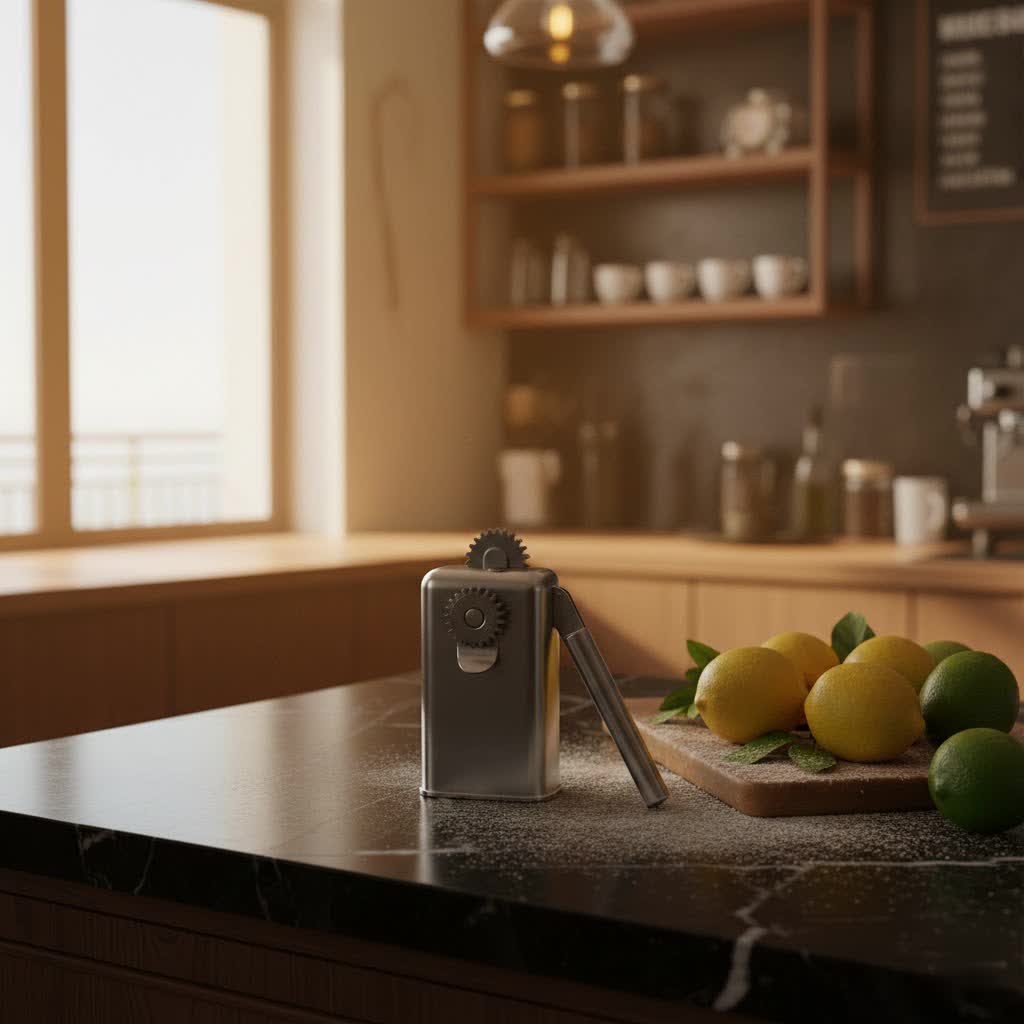
Navigating the World of Commercial Can Openers: Your Ultimate Buying Guide
The array of commercial can openers available can seem daunting, but understanding the core types and their applications is the first step towards making an informed decision. Whether you operate a small cafe or a high-volume institutional kitchen, there’s a can opener designed to meet your demands.
Types of Commercial Can Openers
Commercial can openers are broadly categorized by their operation and the volume of cans they can handle. Each type offers distinct advantages and disadvantages.
-
Manual Can Openers: These are often table-mounted units built for durability and steady performance without electricity.
- Light-Duty: Suitable for occasional use, such as in small delis or cafes that open very few cans daily. They typically feature a simpler construction.
- Standard-Duty: Designed to handle a moderate volume, usually around 15-25 cans per day, operating at 2-3 cans per minute. They are more robust than light-duty models.
- Heavy-Duty: The workhorses of manual openers, capable of opening up to 50 cans daily at 4-6 cans per minute. These units boast sturdy construction, often with longer bars and larger handles for enhanced leverage, making them ideal for #10 cans and other large containers.
- Handheld: While less common in high-volume commercial settings, heavy-duty handheld models with large crank handles offer portability and extra leverage for smaller operations like food trucks that lack counter space for mounted units.
-
Electric Can Openers: These automated units take the physical strain out of can opening, offering speed and consistency for higher volumes.
- Electric models are excellent for moderate to high-volume kitchens, typically processing 50 to over 200 cans per day at a rate of 4-8 cans per minute. They often come with features like two-speed settings for various can sizes and mechanisms that lock cans in place for hands-free operation.
-
Crown Punch (or Pneumatic) Can Openers: Engineered for the highest volume demands, these specialized openers prioritize speed and efficiency.
- Crown punch openers can process an impressive 100 to 3000 cans per day, at 6-10 cans per minute. They work by using a circular set of blades to cut the entire lid off in one swift motion. While some are manually operated with a lever, air-powered (pneumatic) versions offer even faster, effortless operation, making them indispensable in very large-scale food production.
|
Our Picks for the Best Can Opener in 2026
As an Amazon Associate I earn from qualifying purchases.
|
||
| Num | Product | Action |
|---|---|---|
| 1 | Left handed Can Opener and Bottler Openers, Left hand Kitchen Tools Utensils for Lefty Adults/People (Black) |

|
| 2 | Beneno Heavy Duty Hand Can Opener Manual with Magnet, Durable Sharp Carbon Steel Blade Smooth Cutting, Big Effort-Saving Knob & Soft Grip Handle, Multifunctional Kitchen Tool with Bottle Opener, Green |
|
| 3 | KitchenAid Classic Multifunction Can Opener and Bottle Opener Easy to Use, Razor Sharp Stainless Steel Cutting Wheel, Soft Ergonomic Handles, White |
|
| 4 | Can Opener Manual, Can Openers Hand Held with Comfort Anti-Slip Handles, Heavy Duty Stainless Steel Can Opener Smooth Edge and Bottle Openers, Easy Turn Can Openers for Seniors, Kitchen, White |
|
| 5 | KitchenAid Classic Multifunction Can Opener and Bottle Opener Easy to Use, Razor Sharp Stainless Steel Cutting Wheel, Soft Ergonomic Handles, Almond Cream |
|
| 6 | KitchenAid Classic Multifunction Can Opener and Bottle Opener Easy to Use, Razor Sharp Stainless Steel Cutting Wheel, Soft Ergonomic Handles, Pistachio |
|
| 7 | Good Cook Can Opener, Safe Cut Manual Can Opener, no Sharp Can Edges, Black |
|
| 8 | Zulay Kitchen Heavy Duty Stainless Steel Can Opener Manual with Bottle Opener - Rust Proof Manual Can Opener With Turn Knob & Comfy Soft Grip Handles - Black |
|
| 9 | GORILLA GRIP Heavy Duty Stainless Steel Smooth Edge Manual Can Opener, Soft Comfortable Handle, Large Handheld Turn Knob, Built-In Bottle Openers, US Designed, Holiday Prep Kitchen Essential, Black |
|
| 10 | Electric Can Opener - One Touch Battery Operated Automatic Can Opener with Smooth Edges, Hands-Free Design, Perfect for Any Size Can, Ideal Kitchen Gadget for Seniors and Arthritis Sufferers |
|
Choosing the right type depends heavily on your kitchen’s daily can volume and the sizes of cans you typically use.
Key Factors to Consider When Choosing a Commercial Can Opener
Beyond the basic types, several critical factors influence a can opener’s suitability for a commercial kitchen. Overlooking these can lead to frequent breakdowns, slow operations, or even safety hazards.
- Volume and Can Size Capacity: Assess your average daily can usage and the sizes of cans you open most frequently, especially #10 cans. Match the opener’s rated capacity to your needs to avoid overworking the machine or underutilizing its potential.
- Durability and Construction Materials: Commercial can openers endure constant stress. Look for models constructed from high-quality, corrosion-resistant materials such as stainless steel, heavy-duty aluminum, or cast iron. These materials ensure longevity and reliability in a demanding kitchen environment.
- Ease of Use and Ergonomics: A well-designed can opener should be intuitive to operate, reducing staff fatigue and improving efficiency. Features like ergonomic handles, oversized turning knobs, and stable mounting systems contribute to a smoother user experience.
- Safety Features and Smooth Edges: Safety is paramount. Some modern can openers are designed to cut along the side wall of the can, leaving a smooth edge that minimizes the risk of cuts from sharp lids or can edges. Look for secure can-holding mechanisms and proper blade guards.
- Cleaning, Maintenance, and Part Availability: Hygiene is non-negotiable. Choose models that are easy to disassemble for thorough cleaning and sanitization. Dishwasher-safe components are a plus. Additionally, confirm the availability of replacement blades, gears, and other wear-and-tear parts to ensure your investment lasts for years.
- Mounting Options: Commercial can openers typically come as table-mounted (with screw-down or clamp bases) or standalone tabletop units. Consider your kitchen layout and counter space to determine the most practical mounting solution. Wall-mounted options can save valuable countertop space.
- Budget: While commercial can openers can represent a significant investment, balancing cost with durability and features is essential. A higher upfront cost for a robust, long-lasting model often translates to lower long-term expenses due to reduced replacements and maintenance.
Top Commercial Can Opener Brands and Models
Several manufacturers have established a reputation for producing high-quality, reliable commercial can openers. Edlund, Vollrath, and Nemco are consistently cited as industry leaders.
- Edlund: Widely considered a top-tier brand, Edlund offers a range of manual and electric can openers. The Edlund Old Reliable #1® Manual Can Opener is praised for its durability and ability to handle cans up to 11 inches tall, making it a staple in many foodservice operations. For electric options, the Edlund 203 Two-Speed Electric Can Opener is a compact yet powerful choice, capable of opening up to 75 cans daily with dual speeds for different can sizes.
- Vollrath: Known for its robust and easy-to-clean designs, Vollrath’s Redco CanMaster Heavy-Duty Can Opener is built for high-volume kitchens, featuring durable construction and accommodating large cans. The Vollrath BCO-5000 Eazi Clean Can Opener is another popular manual table-mounted model, offering quick cleanup with antibacterial coating and dishwasher-safe cutting mechanisms.
- Nemco: Nemco provides a selection of durable can openers, including models that offer side-cutting, smooth-edge opening for enhanced safety.
These brands often offer models with replaceable parts, extending the lifespan of your equipment.
Detailed Comparison: Finding Your Perfect Match
To help visualize the differences, here’s a comparative overview of typical commercial can opener specifications:
| Feature | Manual Heavy-Duty (e.g., Edlund Old Reliable #1) | Electric Tabletop (e.g., Edlund 203) | Crown Punch (e.g., Edlund 700SS) |
|---|---|---|---|
| Daily Capacity | Up to 50 cans | Up to 75-200+ cans | 100-3000 cans |
| Cans/Minute | 4-6 | 5-8 | 6-10 |
| Max Can Height | Up to 11 inches | Up to #10 cans (variable) | Primarily #10 cans (standard) |
| Material | Stainless Steel, Plated Steel, Cast Iron | Stainless Steel, Heavy-Duty Plastic | Stainless Steel |
| Mounting | Table-mounted (screw-down or clamp) | Tabletop | Table-mounted (screw-down) |
| Key Features | Simple, reliable, robust leverage, replaceable parts | Automated, reduced strain, dual speed, hands-free | Single-motion lid removal, extreme speed |
| Pros | Highly durable, no power needed, cost-effective | Fast, efficient, less labor-intensive | Unmatched speed, clean cuts |
| Cons | Requires manual effort, slower than electric | Requires power, higher cost | Specialized, higher initial investment |
| Ideal For | Restaurants, cafeterias, catering (moderate-high volume) | High-volume kitchens, busy prep lines | Industrial food production, commissaries |
Essential Guide to Using and Maintaining Your Commercial Can Opener
Proper usage and consistent maintenance are crucial for extending the life of your commercial can opener and ensuring food safety.
Proper Usage Steps:
- Mount Securely: Ensure your table-mounted can opener is clamped or screwed firmly to a stable surface.
- Clean the Can: Before opening, wipe the top of the can to prevent external contaminants from falling into the food.
- Position the Can: Lift the opener’s handle to allow the can to fit beneath the blade. Place the can so the blade will puncture the lid without spilling contents.
- Engage the Blade: For manual openers, firmly push down the handle until the blade pierces the lid. For electric models, engage the lever or press the button.
- Turn/Operate: For manual units, turn the crank handle clockwise until the lid is completely cut. Electric models will automatically rotate the can.
- Remove the Lid: Carefully lift the lid away from the can. For manual openers, lift the handle to release the can before removing it; attempting to remove a locked can can dull the blade.
Cleaning and Sanitization Procedures:
Can openers must be cleaned daily, or after each extended use, to prevent residue buildup and bacterial growth.
- Disassemble: Remove the shaft, blade, and gear mechanism if possible.
- Scrub: Use a stainless steel cleaning brush to remove all food and can residue from the blade, gears, and crevices.
- Wash & Sanitize: Wash, rinse, and sanitize all removable parts in a three-compartment sink or a commercial dishwasher (if parts are dishwasher-safe). Do not allow parts to soak for extended periods.
- Clean the Base: Wipe down the fixed base and any splash areas with warm, soapy water, then sanitize.
- Inspect and Air Dry: Check all parts for any remaining food debris. Allow everything to air dry completely before reassembling.
Tips for Blade and Gear Replacement:
- Regularly inspect the blade and gear for wear, especially for grooves or dullness. A dull blade can cause metal shavings to fall into food, creating a serious safety hazard.
- Replacement is generally straightforward; consult your manufacturer’s manual. Typically, it involves unscrewing a pin or screw to remove the old blade or gear and installing the new one securely. Always ensure you have compatible replacement parts readily available.
Common Issues with Commercial Can Openers and How to Resolve Them
Even the most robust commercial can openers can encounter issues. Knowing how to troubleshoot common problems can save time and prevent costly downtime.
- Dull Blades or Grooves: This is a common problem from heavy use. A dull blade struggles to cut cleanly, leaving jagged edges or failing to open cans entirely.
- Fix: Immediately replace the blade. Keep spare blades on hand.
- Prevention: Follow cleaning guidelines, and avoid forcing the opener on cans that are not properly positioned.
- Can Not Turning or Puncturing: If the can isn’t rotating or the blade isn’t piercing the lid, it might not be properly engaged.
- Fix: Ensure the can is firmly seated and locked in place. Re-engage the blade with a firm, determined push or by operating the lever/button correctly.
- Jammed Mechanism: Food debris or misalignment can cause the opener to jam.
- Fix: Disassemble the cutting mechanism and thoroughly clean any accumulated food particles. Check for bent parts or improper reassembly.
- Prevention: Regular and thorough cleaning is the best defense against jamming.
Where to Purchase Your Commercial Can Opener
Finding a reputable supplier for your commercial can opener is as important as choosing the right model.
- Online Restaurant Supply Stores: Websites like WebstaurantStore, Central Restaurant Products, KaTom Restaurant Supply, Hubert, and Culinary Depot offer a vast selection, competitive pricing, and often detailed product information and customer reviews.
- Brick-and-Mortar Suppliers: Local restaurant supply stores allow you to physically inspect units and get personalized advice.
- Considerations for Online Buying: While convenient, ensure the retailer has a clear return policy, offers warranties, and provides good customer support for replacement parts. Be wary of unverified sellers to avoid counterfeit or substandard products.
Maximizing Efficiency: Tips and Tricks for Your Commercial Can Opener
Beyond basic operation, a few expert tips can further enhance your can opening process and maintain your equipment’s peak performance.
Tips for Opening Different Can Types and Sizes
- Adjust for Height: Many table-mounted openers have adjustable shafts. Ensure the cutting mechanism is set to the correct height for the can you are opening to ensure a clean cut and prevent strain on the opener.
- Consistent Pressure: For manual openers, apply steady, firm pressure as you turn the handle. Inconsistent pressure can lead to uneven cuts or premature blade wear.
- Leverage Large Cans: When opening very large or heavy #10 cans, ensure the opener is securely mounted and use your body weight to assist with leverage, reducing strain on your arms.
Advanced Cleaning and Care for Longevity
- Immediate Wipe-Down: After each shift or significant use, perform a quick wipe-down of the blade and gear to prevent food from drying and hardening.
- Deep Cleaning Schedule: Implement a strict daily deep cleaning schedule, especially for parts that contact food. For high-volume kitchens, consider a mid-shift mini-clean.
- Lubrication (If Recommended): Some models may benefit from occasional food-grade lubrication on specific moving parts. Always consult the manufacturer’s manual before applying any lubricant.
- Storage: Store removable parts in a clean, dry place to prevent rust and maintain hygiene.
Troubleshooting a Stuck Can Opener
- Gentle Rocking: If a can gets stuck, avoid forceful tugging. Instead, gently rock the can back and forth while applying light pressure to the crank (if manual) to see if it dislodges.
- Check for Debris: A small piece of dried food or a metal shaving can cause a jam. Disassemble and clean thoroughly.
- Inspect for Damage: If the opener repeatedly jams, inspect the gears, blade, and any moving arms for subtle bends or damage that might be causing misalignment.
Conclusion
Choosing the ideal commercial can opener is a critical decision for any foodservice operation. By carefully considering the types, essential features, top brands, and maintenance requirements, you can select a durable, efficient, and safe tool that seamlessly integrates into your kitchen’s workflow. Remember, the right can opener is an investment in your kitchen’s productivity and your staff’s well-being, ensuring countless cans are opened with ease and precision for years to come. What improvements could elevate your kitchen’s efficiency with the right commercial can opener?
Frequently Asked Questions
What is the primary difference between a commercial and a home can opener?
Commercial can openers are built with heavy-duty materials, designed for high-volume use (opening dozens to thousands of cans daily), and often feature advanced mechanisms like table-mounting, electric operation, or crown punching for efficiency and durability, unlike lighter-duty home models.
How often should I clean my commercial can opener?
Commercial can openers should be thoroughly cleaned and sanitized daily, or after each extended period of use, to prevent bacterial growth and food residue buildup, ensuring hygiene and prolonging the equipment’s lifespan.
Can commercial can openers open all can sizes?
While many commercial can openers are designed to handle a range of sizes, including large #10 cans, it’s essential to check the specific model’s compatibility. Some specialized units might be optimized for particular can heights or diameters.
When should I replace the blade on my commercial can opener?
You should replace the blade immediately if you notice it becoming dull, struggling to cut cleanly, leaving jagged edges, or if metal shavings appear in the food. Regularly inspecting for grooves or wear is also crucial for safety and performance.
Are electric commercial can openers always better than manual ones?
Not necessarily. While electric models offer speed and reduce physical strain for high-volume operations, heavy-duty manual can openers are highly durable, reliable, and more cost-effective for kitchens with moderate daily can usage or where electricity access is a concern. The best choice depends on your specific volume and operational needs.
