The humble can opener is a kitchen workhorse, often taken for granted until you find yourself wrestling with a stubborn lid. While electric models offer convenience, the reliability, portability, and sheer simplicity of a Manual Can Opener make it an indispensable tool in any kitchen, ready to perform even when the power goes out. As an experienced technician with over a decade dedicated to understanding these ingenious devices, I’m here to share insights that will help you select, use, and maintain the perfect manual can opener for your needs.
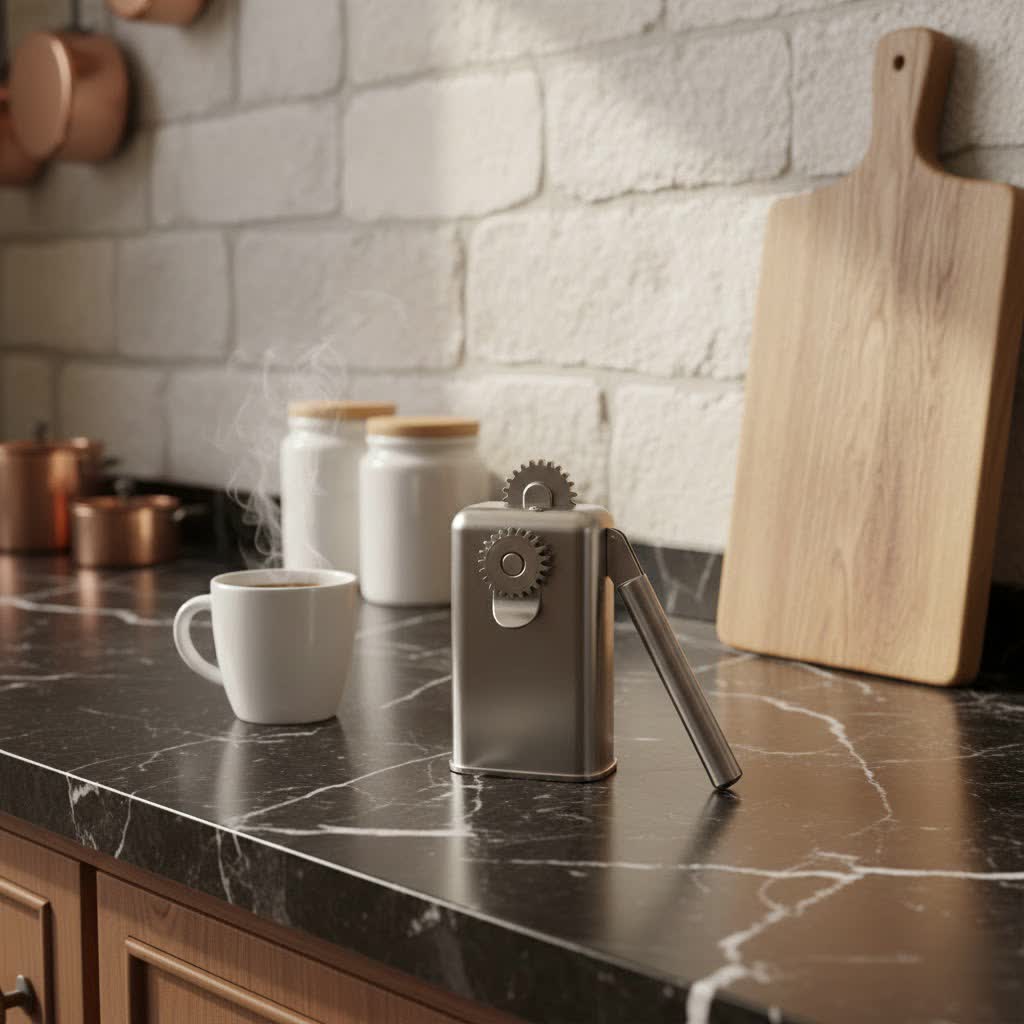
Choosing the Best Manual Can Opener
Navigating the world of manual can openers can seem straightforward, but a closer look reveals a variety of designs, each with unique advantages. Understanding these differences is the first step toward finding your ideal kitchen companion.
Types of Manual Can Openers
Manual can openers come in several primary styles, each offering a distinct user experience.
-
Traditional Rotary/Hinged Can Openers: This is likely the image that springs to mind when you think of a can opener. Featuring two handles that clamp onto the can’s rim and a rotating knob, these openers cut directly through the top of the lid.
- Pros: Generally intuitive for most users, widely available, and often affordable.
- Cons: Can leave sharp, jagged edges on both the lid and the can, posing a safety risk. Requires a firm grip and hand strength.
- Best For: Everyday use where safety isn’t the absolute top priority, or for those comfortable with traditional designs. Many models, like the OXO Good Grips Soft-Handled Manual Can Opener, aim to minimize jagged edges with smoother cuts.
-
Side-Cut/Safety Can Openers: These innovative openers don’t cut into the lid itself. Instead, they slice along the side seam of the can, just below the rim. This results in a smooth, blunt edge on both the lid and the can.
- Pros: Significantly safer, eliminating sharp edges. The lid can often be re-seated on the can for temporary storage. The cutting mechanism typically doesn’t touch the food, promoting better hygiene. Many are ambidextrous and easier for those with arthritis or limited hand strength, as they often don’t require squeezing the handles tightly.
- Cons: May have a slight learning curve initially, and some models might feel less robust than traditional types.
- Best For: Households with children, individuals with hand mobility issues, or anyone prioritizing safety and a clean opening experience. The Kuhn Rikon Auto Safety Master Can Opener and OXO Good Grips Smooth Edge Can Opener are prime examples.
-
Fixed/Punch-Style Can Openers (e.g., Butterfly/Church Key): These are the simplest, most compact can openers, often found on multi-tools or military rations. They typically consist of a sharp point or blade and a hook.
- Pros: Extremely durable (few moving parts to break), ultra-compact for easy storage, and ideal for camping, emergencies, or minimalist kitchens.
- Cons: Require significant manual effort and create very sharp, jagged edges. They are slower and generally more difficult to use for multiple cans compared to other types.
- Best For: Emergency kits, camping, travel, or situations where space and ruggedness are paramount over ease of use or safety.
|
Our Picks for the Best Can Opener in 2026
As an Amazon Associate I earn from qualifying purchases.
|
||
| Num | Product | Action |
|---|---|---|
| 1 | KitchenAid Classic Multifunction Can Opener and Bottle Opener Easy to Use, Razor Sharp Stainless Steel Cutting Wheel, Soft Ergonomic Handles, White |

|
| 2 | Left handed Can Opener and Bottler Openers, Left hand Kitchen Tools Utensils for Lefty Adults/People (Black) |
|
| 3 | Can Opener Manual, Can Openers Hand Held with Comfort Anti-Slip Handles, Heavy Duty Stainless Steel Can Opener Smooth Edge and Bottle Openers, Easy Turn Can Openers for Seniors, Kitchen, White |
|
| 4 | Good Cook Can Opener, Safe Cut Manual Can Opener, no Sharp Can Edges, Black |
|
| 5 | Zulay Kitchen Heavy Duty Stainless Steel Can Opener Manual with Bottle Opener - Rust Proof Manual Can Opener With Turn Knob & Comfy Soft Grip Handles - Black |
|
| 6 | GORILLA GRIP Heavy Duty Stainless Steel Smooth Edge Manual Can Opener, Soft Comfortable Handle, Large Handheld Turn Knob, Built-In Bottle Openers, US Designed, Holiday Prep Kitchen Essential, Black |
|
| 7 | Beneno Heavy Duty Hand Can Opener Manual with Magnet, Durable Sharp Carbon Steel Blade Smooth Cutting, Big Effort-Saving Knob & Soft Grip Handle, Multifunctional Kitchen Tool with Bottle Opener, Green |
|
| 8 | KitchenAid Classic Multifunction Can Opener and Bottle Opener Easy to Use, Razor Sharp Stainless Steel Cutting Wheel, Soft Ergonomic Handles, Pistachio |
|
| 9 | Electric Can Opener - One Touch Battery Operated Automatic Can Opener with Smooth Edges, Hands-Free Design, Perfect for Any Size Can, Ideal Kitchen Gadget for Seniors and Arthritis Sufferers |
|
| 10 | KitchenAid Classic Multifunction Can Opener and Bottle Opener Easy to Use, Razor Sharp Stainless Steel Cutting Wheel, Soft Ergonomic Handles, Almond Cream |
|
Key Factors When Buying a Manual Can Opener
Selecting the right manual can opener goes beyond just its type. Several factors influence its performance, comfort, and longevity.
- Material and Durability: Look for can openers made primarily of stainless steel or other robust metals. These materials offer superior durability, resistance to rust, and a longer lifespan. Avoid models with flimsy plastic components that can break under stress or with age. A heavy-duty construction often correlates with reliable performance.
- Ease of Use and Ergonomics: This is crucial, especially if you open cans frequently or have hand strength limitations.
- Handles: Seek out models with oversized, soft-grip, non-slip handles. Cushioned grips reduce hand fatigue and provide comfort, even when wet.
- Knob Size: A large, easy-to-turn knob requires less pressure and effort, making it ideal for those with arthritis or reduced dexterity. Smooth turning action without excessive play indicates better craftsmanship.
- Auto-Grip/Locking Mechanisms: Some advanced models automatically grip the can once you start turning, eliminating the need to continuously squeeze the handles.
- Safety Features: Prioritize safety to prevent kitchen accidents.
- Smooth Edges: As discussed, side-cut openers are inherently safer due to the blunt edges they leave.
- Lid Lifters/Magnets: Many modern can openers include a small magnet or mini-pliers to lift the detached lid from the can, allowing for hands-free and safe disposal.
- Maintenance and Cleaning: A can opener that’s easy to clean will last longer and be more hygienic.
- Most manual can openers are not dishwasher safe; hand-washing is generally recommended.
- Look for designs with wide-opening hinges for thorough cleaning.
- Crucially, always dry your can opener thoroughly immediately after washing to prevent rust.
- Price and Value: Manual can openers vary widely in price, from under $10 to over $40. While budget options exist, investing a bit more in a well-reviewed, durable model can save you frustration and replacement costs in the long run. Consider the overall value based on material, features, and expected lifespan.
- Additional Features: Some can openers offer handy extras like integrated bottle openers or ambidextrous designs, adding versatility to a single tool.
Top Manual Can Opener Brands and Models
Based on extensive testing and user feedback, several brands consistently stand out for their quality and performance:
- OXO Good Grips: A perennial favorite, OXO offers both traditional soft-handled models and smooth-edge safety can openers. Their OXO Good Grips Soft-Handled Manual Can Opener is praised for its comfortable grips and large, easy-to-turn knob, while the OXO Good Grips Smooth Edge Can Opener excels at creating safe, blunt edges and often includes a lid-lifting mechanism.
- Kuhn Rikon: Known for its innovative side-cutting safety openers, the Kuhn Rikon Auto Safety Master Can Opener is a top choice for those prioritizing safety and a hygienic opening. It often features an auto-grip and mini-pliers for lid removal.
- EZ-DUZ-IT Deluxe: A classic, no-frills option, the EZ-DUZ-IT Deluxe Can Opener is celebrated for its robust, all-metal construction and powerful performance. It embodies the traditional hinged design, often outliving many competitors.
- Bartelli Soft Edge 3-in-1 Ambidextrous Safety Can Opener: This model is highly recommended for its safety features, ambidextrous design, and ability to be operated with one hand, making it excellent for users with arthritis or limited mobility.
- Zyliss Lock N’ Lift Can Opener: This opener features a convenient locking mechanism that clamps onto the can, reducing hand strain, and includes a magnet for hands-free lid removal.
Using and Maintaining Your Manual Can Opener
Even the best can opener requires proper technique and care to ensure it performs optimally and lasts for years.
Step-by-Step Guide to Using a Manual Can Opener
Mastering your can opener ensures safe and efficient operation.
-
For Traditional Rotary/Hinged Can Openers:
- Open the arms of the can opener fully.
- Position the cutting wheel (the sharp one) on top of the can’s rim, just inside the lip. The notched feed wheel (the geared one) should be on the outside of the can, under the rim.
- Close the handles firmly until you feel the cutting wheel puncture the lid. Ensure the wheels are perpendicular to the can’s side.
- Hold the can opener arms in one hand and use your other hand to turn the knob clockwise. As you turn, the cutting wheel will slice through the lid, and the feed wheel will rotate the can.
- Continue turning until you’ve gone all the way around the can.
- Release the handles and carefully lift the can opener away. Use a magnet or the can opener’s notch (if available) to remove the lid without touching the sharp edges.
-
For Side-Cut/Safety Can Openers:
- Open the handles and place the can opener flat on top of the can.
- Position the cutting mechanism so that it grips the side of the can, just under the rim. Some models will auto-grip or require a gentle squeeze to engage.
- Turn the knob clockwise. The opener will cut around the side of the can, separating the lid without creating sharp edges.
- Once the cut is complete, release the opener. Many side-cutters come with a small plier-like grip or magnet to easily lift the lid off the can.
How to Clean and Care for Your Manual Can Opener
Proper cleaning and maintenance are critical for hygiene and extending the life of your can opener.
- Regular Cleaning: After each use, wash your manual can opener immediately.
- Use warm, soapy water and a dish brush or an old toothbrush to scrub the cutting wheel and gears. Food particles and can label residue can easily get stuck, leading to gunk buildup and potential rust.
- Soak the can opener in warm soapy water for 5-10 minutes to loosen stubborn food or grime.
- Deep Cleaning and Lubrication:
- For hard-to-reach gunk, take a folded paper towel and insert it between the cutting and feed wheels. Turn the knob to work the paper towel through the mechanism, effectively scrubbing away hidden residue.
- If your can opener feels stiff or hard to turn, use a piece of wax paper in the same manner. The wax will transfer to the blades, providing a slight lubrication and making subsequent turns smoother.
- The Golden Rule: Dry Thoroughly! Most manual can openers are not dishwasher safe. The high heat and harsh detergents can damage components, and more importantly, leaving them wet promotes rust. After hand-washing, always dry your can opener completely with a clean towel before storing it. This simple step is the most effective way to prevent rust and ensure longevity.
Common Can Opener Problems and Solutions
Even the best manual can openers can encounter issues. Here’s how to troubleshoot them:
- Can Opener Getting Stuck or Hard to Turn:
- Cause: Food residue, rust, or debris lodged in the gears.
- Solution: Follow the deep cleaning steps above using a paper towel. If rust is the issue, gentle scrubbing with steel wool (and immediate drying) can help, but severe rust might indicate it’s time for a replacement. Lubricating with wax paper can improve smoothness.
- Leaving Sharp Edges:
- Cause: This is inherent to traditional rotary/hinged can openers.
- Solution: While some traditional models cut smoother than others (e.g., OXO Good Grips Soft-Handled), the most effective solution is to switch to a side-cut/safety can opener which is designed to leave blunt, safe edges.
- Slipping Off the Can:
- Cause: Improper alignment, insufficient grip pressure, or dull cutting wheel/worn feed wheel.
- Solution: Ensure the cutting and feed wheels are perfectly aligned with the can’s rim. Apply firm, consistent pressure when closing the handles. If the wheels appear dull or worn, it might be time for a new opener.
Where to Buy a Quality Manual Can Opener
Finding a reliable manual can opener is easier than ever with a variety of trusted retailers.
- Online Retailers: Platforms like Amazon, Wayfair, Sur La Table, and specialty kitchen supply websites offer a vast selection, often with detailed product descriptions and customer reviews. These are excellent places to research specific models and compare prices.
- Physical Stores: Department stores (e.g., Macy’s, Target, Walmart), kitchenware shops, and hardware stores often carry a good range of manual can openers, allowing you to physically inspect the feel and construction before purchasing.
- Tips for Online Purchases: Always check seller reviews and ensure you’re buying from a reputable vendor to avoid counterfeit or low-quality products. Read recent customer reviews for insights into durability and ease of use.
Tips and Tricks for Manual Can Opener Users
Beyond the basics, a few expert tips can enhance your manual can opener experience.
Mastering Different Can Types
- Standard Cans: Most manual openers handle these with ease. Ensure a firm grip and consistent turning.
- Square or Oval Cans: These can be tricky for hinged openers. Work in short segments, re-positioning the opener as needed, or consider a side-cut opener which can sometimes navigate these shapes more smoothly.
- Stubborn Lids: If the opener struggles, ensure the blade is clean. Sometimes applying slight downward pressure on the knob while turning can help the blade engage better.
Making Your Opener Last
- Store Properly: Keep your dry can opener in a drawer, ideally separated from other sharp utensils to prevent damage to its cutting mechanism.
- Avoid Prying: Do not use your can opener to pry open other items, as this can bend or dull the blade.
> “A good manual can opener isn’t just about cutting open a can; it’s about reliable performance, comfortable handling, and most importantly, kitchen safety. Investing in a quality tool and knowing how to care for it will save you countless frustrations.” – The ReviewerPH Admin, Kitchen Tool Expert.
Conclusion
Choosing the right manual can opener is a small decision that can significantly impact your daily kitchen experience. From the robust simplicity of a traditional design to the cutting-edge safety of a side-cut model, there’s a perfect match for every user and every need. By prioritizing factors like durable materials, ergonomic design, and crucial safety features, you ensure not only effortless can opening but also lasting quality. Remember to maintain your opener with regular cleaning and, above all, thorough drying, to keep it performing like new.
Which manual can opener will become the next reliable staple in your kitchen?
Frequently Asked Questions
Are manual can openers better than electric can openers?
Manual can openers offer distinct advantages, including reliability during power outages, portability, and typically a lower cost and smaller footprint compared to electric models. While electric openers offer hands-free convenience, manual versions are generally more durable in the long run due to fewer complex parts.
How do you clean a rusty can opener?
For minor rust, gently scrub the affected areas with a scouring pad or steel wool and a paste of baking soda and water. Alternatively, soak the rusty parts in white vinegar for a few hours, then scrub clean. Always rinse thoroughly and, most importantly, dry the can opener immediately and completely after cleaning to prevent further rust.
What’s the safest type of manual can opener?
Side-cut or smooth-edge manual can openers are considered the safest type. They cut along the side seam of the can, below the rim, leaving a smooth, blunt edge on both the can and the lid. This significantly reduces the risk of accidental cuts compared to traditional top-cutting models that can leave jagged edges.
