The humble Paint Can Opener, often relegated to the bottom of a cluttered toolbox, is an indispensable ally for any painting project. Far more than just a simple lever, the right paint can opener ensures a clean, mess-free start, protects your valuable paint, and prolongs the life of your cans. Without this specialized tool, you risk damaging can lids, spilling paint, and struggling unnecessarily. This comprehensive guide will equip you with all the knowledge needed to choose the perfect paint can opener, master its use, and keep your painting tasks smooth and efficient.
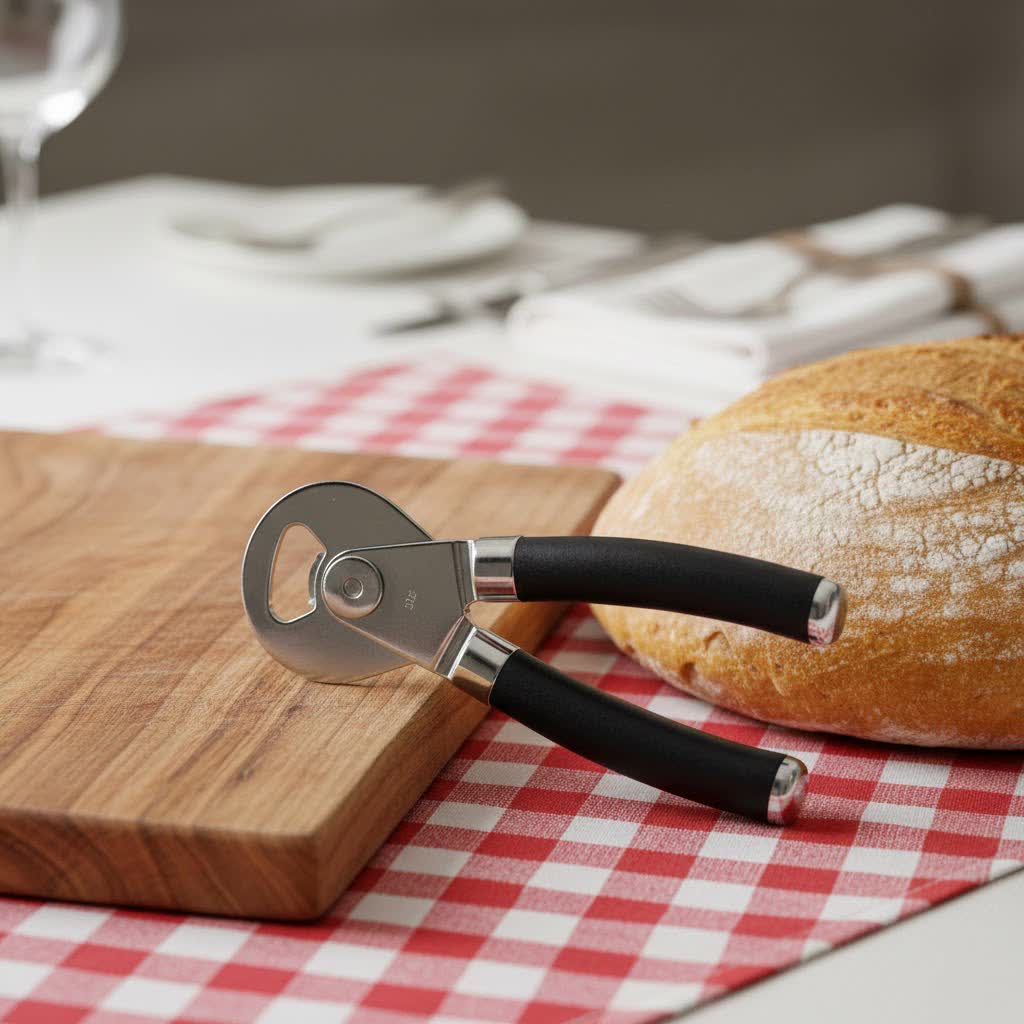
Your Guide to Choosing the Best Paint Can Opener
Selecting the ideal paint can opener goes beyond just grabbing the first one you see. Understanding the different types available and what makes them effective can significantly impact your painting experience.
Types of Paint Can Openers: Understanding Your Options
Paint can openers come in various designs, each offering distinct advantages for different users and tasks.
- Traditional Hook-Style (Paint Key): This is the most common type, often given away free when you purchase paint. It typically features a simple metal design with a C-shaped or hooked end.
- Pros: Highly affordable, straightforward to use, and effective for standard metal paint can lids.
- Cons: Can bend or deform if excessive force is applied incorrectly, and its basic design offers minimal ergonomic comfort.
- Flathead Screwdriver/Putty Knife: Many DIY enthusiasts resort to these tools when a dedicated opener isn’t handy.
- Pros: Readily available in most households.
- Cons: Using these can easily damage the can’s rim or lid, making proper resealing difficult and potentially leading to dried-out paint. They also offer less leverage and pose a higher risk of injury.
- Plastic Lid Lifter: Specifically designed to be gentle on delicate can materials, these are often made from durable, heavy-duty plastic.
- Pros: Lightweight, prevents scratching or marring of can surfaces, and is particularly suitable for plastic paint buckets.
- Cons: May not provide enough leverage for stubborn metal lids or those that are tightly sealed.
- Multifunctional Painter’s Tool: These versatile tools, often marketed as 5-in-1 or 9-in-1, combine a paint can opener with several other useful features.
- Pros: Offers excellent value by including functions like a scraper, roller cleaner, spreading tool, and even a hammerhead for resealing lids. They are robust and convenient for various painting tasks.
- Cons: Can be a bit bulkier than a standalone paint can opener.
- Automatic/Electric Paint Can Openers: While less common for standard paint cans, electric options exist for those needing minimal physical effort.
- Pros: Effortless operation, ideal for individuals with limited hand strength or those frequently opening many cans.
- Cons: More expensive than manual options and requires batteries or an electrical outlet.
- Wrench-Style Bucket Opener: Designed specifically for larger, often plastic, paint buckets that have a different lid mechanism than standard cans.
- Pros: Provides significant leverage for tightly sealed large buckets.
- Cons: Not suitable for standard metal paint cans.
|
Our Picks for the Best Can Opener in 2026
As an Amazon Associate I earn from qualifying purchases.
|
||
| Num | Product | Action |
|---|---|---|
| 1 | Zulay Kitchen Heavy Duty Stainless Steel Can Opener Manual with Bottle Opener - Rust Proof Manual Can Opener With Turn Knob & Comfy Soft Grip Handles - Black |

|
| 2 | Electric Can Opener - One Touch Battery Operated Automatic Can Opener with Smooth Edges, Hands-Free Design, Perfect for Any Size Can, Ideal Kitchen Gadget for Seniors and Arthritis Sufferers |
|
| 3 | KitchenAid Classic Multifunction Can Opener and Bottle Opener Easy to Use, Razor Sharp Stainless Steel Cutting Wheel, Soft Ergonomic Handles, White |
|
| 4 | Good Cook Can Opener, Safe Cut Manual Can Opener, no Sharp Can Edges, Black |
|
| 5 | Beneno Heavy Duty Hand Can Opener Manual with Magnet, Durable Sharp Carbon Steel Blade Smooth Cutting, Big Effort-Saving Knob & Soft Grip Handle, Multifunctional Kitchen Tool with Bottle Opener, Green |
|
| 6 | KitchenAid Classic Multifunction Can Opener and Bottle Opener Easy to Use, Razor Sharp Stainless Steel Cutting Wheel, Soft Ergonomic Handles, Almond Cream |
|
| 7 | Left handed Can Opener and Bottler Openers, Left hand Kitchen Tools Utensils for Lefty Adults/People (Black) |
|
| 8 | KitchenAid Classic Multifunction Can Opener and Bottle Opener Easy to Use, Razor Sharp Stainless Steel Cutting Wheel, Soft Ergonomic Handles, Pistachio |
|
| 9 | GORILLA GRIP Heavy Duty Stainless Steel Smooth Edge Manual Can Opener, Soft Comfortable Handle, Large Handheld Turn Knob, Built-In Bottle Openers, US Designed, Holiday Prep Kitchen Essential, Black |
|
| 10 | Can Opener Manual, Can Openers Hand Held with Comfort Anti-Slip Handles, Heavy Duty Stainless Steel Can Opener Smooth Edge and Bottle Openers, Easy Turn Can Openers for Seniors, Kitchen, White |
|
Key Factors to Consider When Buying a Paint Can Opener
When investing in a paint can opener, a few crucial aspects will help you make the best choice for your needs.
- Material:
- Stainless Steel/Carbon Steel: These metals offer superior durability, strength, and rust resistance, making them ideal for long-lasting tools that can handle tough lids.
- Heavy-Duty Plastic: A good choice for preventing scratches and offering a lightweight, solvent-resistant option, especially for plastic containers.
- Durability and Longevity: A quality paint can opener should withstand repeated use without bending, breaking, or corroding. Look for solid construction and robust materials.
- Ease of Use and Grip: An ergonomic handle and a comfortable grip are essential, especially for prolonged use or when dealing with stubborn lids. The design should facilitate easy leverage.
- Safety Features: A well-designed opener minimizes the risk of slipping, damaging the can, or causing injury. A wide, rounded lip on the prying end helps prevent tearing the can’s rim.
- Versatility: Consider if you need a tool with additional features, such as a built-in bottle opener, scraper, or roller cleaner, to streamline your painting kit.
- Price: While paint can openers are generally affordable, specialized or multifunctional tools may cost more. Balance your budget with the desired features and expected lifespan of the tool.
Top Paint Can Opener Brands and Recommendations
While many excellent unbranded paint can openers exist, several brands are known for their quality and utility. Brands like DeWalt offer versatile multi-tools that include robust can opening capabilities. Dedicated paint tool manufacturers often produce durable traditional hook-style openers. When choosing, prioritize features like rust-resistant steel, comfortable grips, and designs that protect your can’s integrity. Look for tools that reviewers praise for their sturdiness and effectiveness in opening tightly sealed lids without causing damage.
Detailed Comparison Table of Paint Can Openers
To help you visualize the differences, here’s a comparison of common paint can opener types based on key attributes:
| Type | Material Options | Pros | Cons | Best For |
|---|---|---|---|---|
| Traditional Hook-Style | Metal (steel) | Affordable, simple, effective for standard metal lids | Can bend or deform if misused, less ergonomic | General home use, occasional painting projects |
| Flathead Screwdriver/Putty Knife | Metal | Readily available in most toolkits | High risk of damaging can/lid, less safe, inefficient | Emergency use only, not recommended for regular paint tasks |
| Plastic Lid Lifter | Heavy-duty plastic | Lightweight, non-scratching, solvent-resistant | Less leverage for stubborn metal lids, can break with force | Plastic paint buckets, delicate cans |
| Multifunctional Painter’s Tool | Metal (steel), often with plastic grip | Highly versatile (opener, scraper, roller cleaner), robust, good value | Can be bulkier, may be overkill for simple lid opening | DIY enthusiasts, professional painters, comprehensive tasks |
| Automatic/Electric | Plastic, metal components | Minimal effort, ideal for those with limited hand strength | More expensive, requires power, less common for paint cans | Frequent use, accessibility needs |
How to Use and Maintain Your Paint Can Opener
Proper technique is crucial for safely and effectively opening paint cans and ensuring their longevity.
Workspace Preparations:
Before you begin, set up your work area. Cover surfaces with a drop cloth or newspaper to catch any drips. Wear protective gear, including gloves and safety glasses, to shield your hands and eyes from paint splatters. Always place the paint can on a flat, stable surface to prevent it from tipping over during the opening process.
Inspect the Paint Can:
Take a moment to examine the paint can. Look for any signs of damage, such as dents or rust, which could make opening more challenging. If there’s dried paint along the lid’s edge, it will create a stubborn seal. A clean, well-maintained can is significantly easier to open and reseal.
Breaking the Seal (If Stuck):
For lids stubbornly stuck by dried paint, you may need to gently break the seal. Carefully use a utility knife to score around the edge where the lid meets the can. Work slowly and avoid forcing the blade, as this can damage the can or lead to injuries. This step helps loosen dried paint, making the prying process easier.
Opening the Lid (Step-by-Step Guide):
- Position Your Tool: Slide the curved or flat end of your paint can opener underneath the lid’s rim, ensuring it’s securely nestled.
- Apply Gentle Leverage: Press down gently on the handle of the opener. You should feel the lid lift slightly. The goal is to lift, not to force or bend.
- Work Your Way Around: Rather than prying the lid up in one go, move the opener around the circumference of the can, repeating the gentle prying motion every few inches. This even distribution of force prevents the lid from bending and ensures it remains reusable.
- Remove the Lid: Once you’ve worked your way around the entire lid and it feels loose, carefully lift it off using both hands, minimizing any spills.
- Clean Placement: Place the lid upside down on a clean surface. This prevents paint transfer to your workspace and keeps the lid clean for resealing.
> “The secret to a perfect paint job often starts with a perfectly opened can. Gentle, even leverage is your best friend to avoid bent lids and frustrating spills.” – Admin, ReviewerPH, Paint Tool Expert
Resealing the Can for Freshness:
Properly resealing your paint can is vital for preserving the paint’s quality and preventing it from drying out.
- Clean the Rim: Before resealing, meticulously clean any paint residue from the rim of the can and the lid’s groove using a damp cloth or a terry cloth. Dried paint here is the primary culprit for stuck lids.
- Align the Lid: Place the lid back on the can, ensuring it’s perfectly aligned with the rim.
- Secure the Seal: Use a rubber mallet or a hammer to gently tap the lid back into place. Work your way around the edge of the lid until it is securely seated and sealed all the way around. Avoid heavy blows that could deform the lid.
Common Paint Can Opener Problems and Solutions
Even with the right tools, you might encounter a few common issues.
- Bent Lid or Can: This usually happens when you apply too much force in just one spot. To prevent this, always work your way around the can, prying the lid up gradually and evenly.
- Stuck Lid: If your lid is stuck, it’s often due to dried paint in the can’s rim. The solution is thorough cleaning before resealing. If already stuck, try breaking the seal with a utility knife before prying.
- Lack of Leverage: If your current tool isn’t providing enough leverage, it might be too small or poorly designed. Opt for a dedicated paint can opener or a painter’s multi-tool with a longer handle for better mechanical advantage.
Where to Buy a Paint Can Opener
Paint can openers are widely available, making them easy to acquire for any project. You can find them at most hardware stores like Lowe’s and Home Depot, specialized paint supply stores, and major online retailers such as Amazon. When purchasing online, always check product reviews, material specifications, and brand reputation to ensure you’re getting a durable and effective tool.
Tips and Tricks for Using Your Paint Can Opener
Beyond the basics, a few expert tips can further enhance your paint opening and closing experience.
Opening Different Can Types
- Standard Metal Cans: Your traditional hook-style opener or the opener function on a painter’s multi-tool will be most effective here.
- Plastic Buckets: To avoid cracking or damaging plastic, use a plastic lid lifter specifically designed for these containers, or exercise extreme caution with metal tools.
- Stubbornly Stuck Lids: If cleaning the rim doesn’t fully free a stuck lid, try applying a small amount of penetrating oil around the seam and letting it sit for a few minutes before attempting to pry it open gently.
Cleaning Your Can Opener
Maintaining your paint can opener will ensure its longevity and readiness for the next project.
- Fresh Paint: Wipe off any fresh paint immediately after use with a damp cloth.
- Dried Paint: For dried paint, you can often scrape it off with a utility knife, another sturdy tool, or a wire brush.
- Deep Cleaning: If the paint is water-based, a simple wash with soap and water will suffice. For oil-based paints, use a small amount of appropriate paint thinner, ensuring your tool’s material is solvent-resistant.
Handling a Jammed Paint Can Opener
If your paint can opener gets temporarily stuck under a lid, avoid forcing it. Gently wiggle the tool or try inserting it from an adjacent spot around the rim to relieve the pressure. Excessive force can damage both the opener and the can, making the task harder.
Conclusion
The paint can opener, though seemingly simple, is a foundational tool for any painter. By understanding the different types available, considering key factors like material and durability, and mastering proper usage techniques, you can ensure a smooth start to every painting project. A well-chosen and properly used paint can opener prevents mess, preserves your paint, and saves you frustration, ultimately making your DIY endeavors more enjoyable and successful. So, choose wisely, practice precision, and let your painting projects flow effortlessly.
What’s your go-to paint can opener, and why?
Frequently Asked Questions
Can I use a regular kitchen can opener to open a paint can?
No, it is strongly advised against using a regular kitchen can opener for paint cans. Kitchen can openers are designed for food-grade cans and can easily damage the rim of a paint can, making it impossible to reseal properly and risking paint spoilage. They also may not provide the necessary leverage and can lead to spills or injuries.
How do I clean dried paint from the rim of a paint can?
To clean dried paint from a can rim, use a stiff brush or a utility knife to carefully scrape away the dried paint. For water-based paints, a damp cloth might suffice. For oil-based paints, a small amount of appropriate paint thinner on a rag can help loosen stubborn residue. Ensure the rim is completely clean before resealing.
What’s the best way to store a paint can after opening?
After opening, ensure the can’s rim is clean of any paint residue, then firmly tap the lid back into place with a rubber mallet. For an even better seal and to prevent skinning of the paint surface, some experts recommend storing the can upside down. This creates a vacuum, further preventing air from reaching the paint.
