In the heart of every bustling kitchen lies a humble hero, often overlooked yet indispensable: the can opener. For many, it’s a simple tool, but a faulty or ill-suited one can transform a quick meal prep into a frustrating ordeal. From wrestling with stubborn lids to encountering jagged edges, the wrong can opener can test anyone’s patience. This comprehensive guide will navigate you through the diverse world of can openers, helping you understand the different types, crucial buying factors, and essential usage tips, ensuring you pick the perfect companion for your culinary adventures.
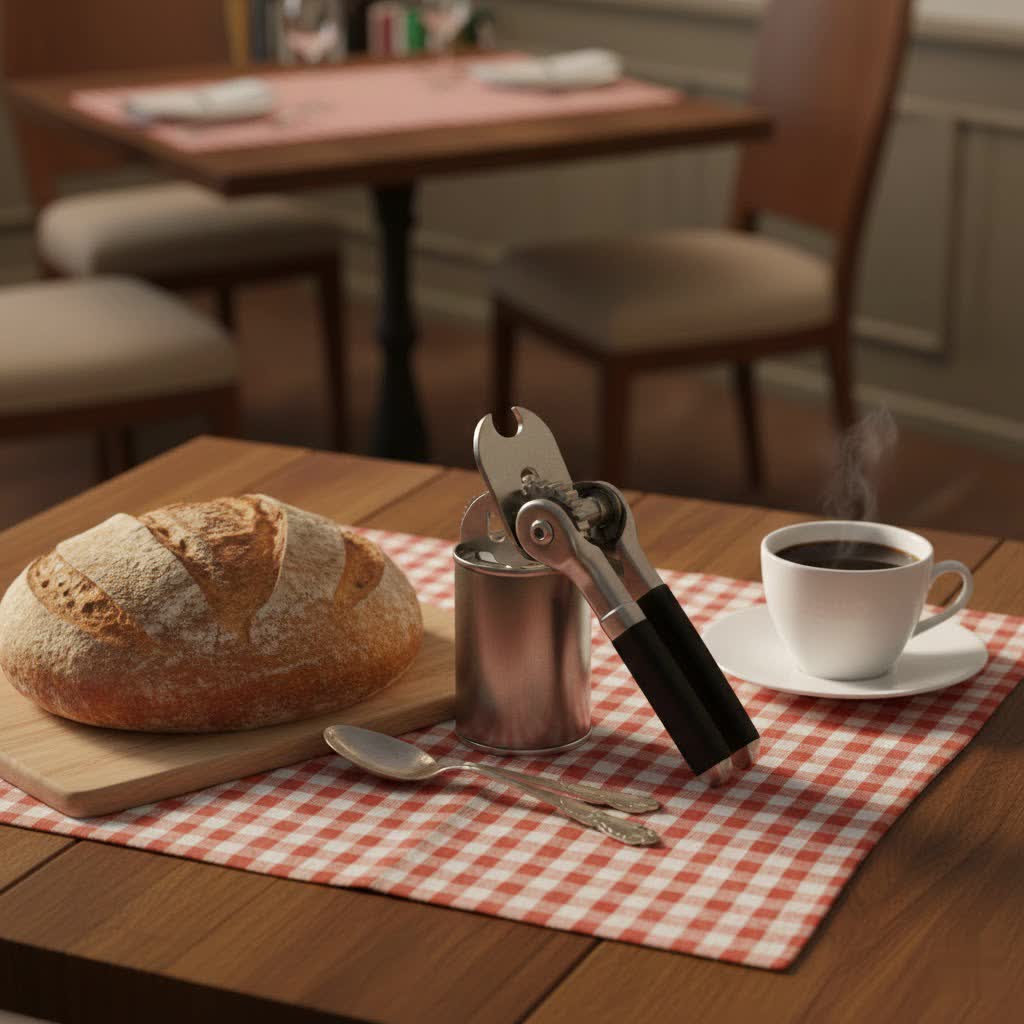
How to Choose the Best Can Opener for Your Kitchen
Selecting the ideal can opener involves more than just grabbing the first one you see. It’s about matching its features to your lifestyle, needs, and even your grip strength. Here’s what to consider to make an informed decision.
Popular Types of Can Openers
The market offers several distinct can opener designs, each with its own mechanism, benefits, and drawbacks. Understanding these varieties is the first step toward finding your perfect match.
-
Manual Can Openers (Rotary/Traditional)
These are the classic, hand-operated tools most people envision. They typically feature two handles, a cutting wheel, and a crank. To operate, you clamp the opener onto the can’s rim, allowing the cutting wheel to pierce the lid, then turn the crank to rotate the can, cutting around the top.- Pros: Generally inexpensive, highly portable (no power needed), and can be quite durable due to fewer complex parts.
- Cons: Requires significant hand strength and coordination, can be challenging for individuals with limited mobility or arthritis, and often leaves sharp, jagged edges on the can and lid.
-
Safety Can Openers (Side-Cut)
A modern twist on the manual design, safety can openers cut along the side of the can, just below the rim, rather than through the top. This innovative method creates a smooth, burr-free edge on both the can and the lid, significantly reducing the risk of cuts.- Pros: Leaves safe, smooth edges; the blade doesn’t come into contact with the food, making it more hygienic; often includes a mechanism to lift the lid without touching it.
- Cons: Can have a learning curve as the cutting mechanism is less intuitive than traditional openers, and some models may struggle with oddly shaped or heavily dented cans.
-
Electric Can Openers (Countertop & Handheld)
Designed for maximum convenience, electric can openers automate the can-opening process. Countertop models are larger, plug into an outlet, and hold the can in place while the motor does the work. Handheld battery-operated versions offer portability with automation.- Pros: Effortless operation (often just a push of a button), fast, ideal for seniors or anyone with hand dexterity issues, and generally produces clean cuts.
- Cons: Requires a power source (outlet or batteries), countertop models can be bulky, higher upfront cost, and the motor can wear out over time.
|
Our Picks for the Best Can Opener in 2026
As an Amazon Associate I earn from qualifying purchases.
|
||
| Num | Product | Action |
|---|---|---|
| 1 | GORILLA GRIP Heavy Duty Stainless Steel Smooth Edge Manual Can Opener, Soft Comfortable Handle, Large Handheld Turn Knob, Built-In Bottle Openers, US Designed, Holiday Prep Kitchen Essential, Black |

|
| 2 | Zulay Kitchen Heavy Duty Stainless Steel Can Opener Manual with Bottle Opener - Rust Proof Manual Can Opener With Turn Knob & Comfy Soft Grip Handles - Black |
|
| 3 | KitchenAid Classic Multifunction Can Opener and Bottle Opener Easy to Use, Razor Sharp Stainless Steel Cutting Wheel, Soft Ergonomic Handles, Almond Cream |
|
| 4 | Beneno Heavy Duty Hand Can Opener Manual with Magnet, Durable Sharp Carbon Steel Blade Smooth Cutting, Big Effort-Saving Knob & Soft Grip Handle, Multifunctional Kitchen Tool with Bottle Opener, Green |
|
| 5 | Electric Can Opener - One Touch Battery Operated Automatic Can Opener with Smooth Edges, Hands-Free Design, Perfect for Any Size Can, Ideal Kitchen Gadget for Seniors and Arthritis Sufferers |
|
| 6 | KitchenAid Classic Multifunction Can Opener and Bottle Opener Easy to Use, Razor Sharp Stainless Steel Cutting Wheel, Soft Ergonomic Handles, Pistachio |
|
| 7 | KitchenAid Classic Multifunction Can Opener and Bottle Opener Easy to Use, Razor Sharp Stainless Steel Cutting Wheel, Soft Ergonomic Handles, White |
|
| 8 | Can Opener Manual, Can Openers Hand Held with Comfort Anti-Slip Handles, Heavy Duty Stainless Steel Can Opener Smooth Edge and Bottle Openers, Easy Turn Can Openers for Seniors, Kitchen, White |
|
| 9 | Good Cook Can Opener, Safe Cut Manual Can Opener, no Sharp Can Edges, Black |
|
| 10 | Left handed Can Opener and Bottler Openers, Left hand Kitchen Tools Utensils for Lefty Adults/People (Black) |
|
Key Factors to Consider When Buying a Can Opener
Beyond the basic type, several features contribute to a can opener’s overall performance, safety, and longevity.
- Material and Durability: Look for blades made of high-quality stainless steel, which resists rust and maintains sharpness longer. Sturdy construction, whether plastic or metal, contributes to overall durability. A manual opener with a tight hinge will stand the test of time.
- Ease of Use & Ergonomics: Comfort is key. Seek out models with soft, non-slip grips and large, easy-to-turn knobs, especially if you have limited hand strength. The mechanism should operate smoothly without excessive force or sticking.
- Safety Features: A primary concern for many, especially families. Side-cutting openers are inherently safer due to their smooth-edge cuts. Features like magnetic lid holders prevent cut lids from falling into food or being touched by hands. Electric models often have automatic shut-off features for added safety.
- Cleaning and Maintenance: An opener that’s easy to clean will last longer and be more hygienic. Manual openers with wide-opening hinges allow for thorough cleaning. For electric models, check if the cutting assembly is removable and dishwasher-safe.
- Price Point: Manual can openers are typically more budget-friendly, while electric models represent a larger investment. Consider how frequently you’ll use it and if the added convenience justifies the cost.
- Size and Storage: Countertop electric openers require dedicated space, while manual and handheld electric models can often be stored compactly in drawers.
Top Can Opener Brands and Models
While specific product recommendations are best left to hands-on testing and personal preference, certain brands have consistently earned a reputation for quality and innovation in the can opener market. Brands known for their ergonomic designs and user-friendliness often include OXO. For reliable electric options, Hamilton Beach and Kitchen Mama frequently receive praise. Safety-focused designs are often championed by brands like Bartelli and Kuhn Rikon. When choosing, consider brands that prioritize robust materials, thoughtful design, and positive user feedback.
Detailed Comparison of Can Openers
When comparing manual, safety, and electric can openers, it’s clear each excels in different areas. Traditional manual openers are unbeatable for portability and affordability, making them excellent emergency tools or for occasional use. However, they demand more physical effort and can pose a safety risk with sharp lid edges. Safety (side-cut) manual openers offer a fantastic middle ground, providing the benefits of a manual tool with superior safety due to smooth edges and no food contact. They might take a little getting used to but are a worthwhile upgrade for many. Electric can openers are the ultimate choice for convenience, speed, and accessibility, especially for those with arthritis or limited grip strength. Their automated process minimizes physical strain and often includes features like magnetic lid lifters. However, they come with a higher price tag, rely on power, and occupy more space. Your choice ultimately depends on balancing ease of use, safety preferences, budget, and frequency of use.
How to Use and Maintain Your Can Opener
Even the best can opener performs optimally with correct usage and consistent care.
- Proper Usage:
- Manual (Traditional): Ensure the cutting wheel and gear are properly aligned with the can’s rim. Clamp down firmly, but not excessively, then turn the crank smoothly and consistently until the lid is fully cut.
- Electric: Place the can under the cutting mechanism, ensuring it’s securely positioned. Engage the lever or press the button, allowing the machine to complete the rotation. Some models may require a slight assist for larger cans.
- Safety (Side-Cut): Position the opener flat on top of the can, ensuring the cutting wheel is aligned with the side seam. Turn the knob until you feel the cutting mechanism engage, then continue turning until the full circumference is cut.
- Cleaning Best Practices: Always rinse your can opener immediately after use, especially the cutting wheel and gear, to prevent food particles from hardening. For manual openers, open the handles wide to expose all surfaces for cleaning. Dry thoroughly to prevent rust, particularly on metal components.
- Storage Tips: Store manual openers in a dry drawer or hang them. Countertop electric models should be kept clean and dry on your counter.
Common Can Opener Issues and Troubleshooting
Even reliable can openers can encounter hiccups. Knowing how to address common problems can save you frustration.
- Problem: Can opener isn’t cutting properly or slips.
- Solution: First, ensure the opener is correctly aligned and clamped firmly. For manual openers, check if the blade is dull or damaged; it might be time for a replacement. Sometimes, a gentle jiggle or slight adjustment in pressure can help re-engage the cutting wheel.
- Problem: Leaves sharp, jagged edges.
- Solution: This is a common issue with traditional top-cutting manual openers. If safety is a concern, consider upgrading to a side-cutting or electric model, which are designed to leave smooth edges.
- Problem: Lid falls into the can.
- Solution: Many modern manual and electric can openers include a small magnet designed to lift the lid once it’s cut, preventing it from falling into the food. If your current model lacks this, carefully remove the lid with a fork or by hand (if it’s a smooth-edge cut).
- Problem: Opener gets stuck on the can.
- Solution: Don’t force it. Gently reverse the turning motion slightly, then try again. Sometimes the can or opener just needs a small adjustment. Ensure there’s no debris interfering with the gears.
Where to Buy Quality Can Openers
High-quality can openers are readily available from various sources. Large online retailers offer a vast selection with user reviews, which can be very helpful for comparing options. Kitchenware stores and department stores often carry a curated selection of reliable brands, allowing you to handle the product before purchasing. When buying online, always read recent customer reviews and verify the return policy to ensure you’re making a confident purchase.
Tips and Tricks for Can Opener Users
Elevate your can-opening game with these handy insights.
Opening Different Types of Cans
While most can openers handle standard cylindrical cans with ease, some cans present unique challenges. For very large or heavy commercial-sized cans, a heavy-duty manual or a robust countertop electric opener might be more suitable. Even if a can has a pull-tab, a side-cutting can opener can be used to remove the lid smoothly, offering a safer alternative to prying the tab.
Cleaning Your Can Opener Effectively
Beyond immediate rinsing, give your can opener a deeper clean periodically. For manual openers, use a small brush (like an old toothbrush) to scrub between the gears and blade to remove any accumulated grime. For electric models with removable parts, follow the manufacturer’s instructions for washing. Always ensure all components are completely dry before storing to prevent rust and bacterial growth.
Dealing with a Stubborn or Jammed Can Opener
If your can opener jams mid-cut, resist the urge to apply excessive force, which could damage the opener or the can. Instead, try gently wiggling the can or turning the knob backward slightly to free the mechanism. Ensure the can is held steady and the opener is aligned correctly. If a manual opener feels stiff, a tiny drop of food-grade mineral oil on the turning mechanism might help restore smooth operation.
Conclusion
Choosing the right can opener is a small decision that can significantly impact your daily kitchen experience. By understanding the different types—from the traditional manual to the safe side-cut and convenient electric models—and considering factors like durability, ease of use, and safety, you can find a tool that perfectly meets your needs. A well-chosen can opener simplifies meal preparation, enhances safety, and stands the test of time, becoming a true workhorse in your culinary arsenal.
What’s your ultimate must-have feature in a can opener, and why?
Frequently Asked Questions
Are electric can openers worth the investment?
Electric can openers are often worth the investment for those who prioritize convenience, speed, and ease of use, especially individuals with arthritis, limited hand strength, or who open cans frequently. They offer hands-free operation and typically leave smooth, safe edges, streamlining kitchen tasks.
How do side-cutting can openers work to prevent sharp edges?
Side-cutting can openers work by cutting the can’s lid along the outside seam, just below the rim. Instead of slicing through the metal top, they effectively unseal the lid, separating it from the can without creating the sharp, jagged edges often associated with traditional top-cutting openers.
How often should I consider replacing my manual can opener?
You should consider replacing your manual can opener when it becomes dull, struggles to grip or cut cans effectively, or shows significant signs of wear and rust on its components. While durable, constant use can dull blades and loosen gears, typically necessitating replacement every few years for optimal performance.
