For many home cooks, a manual can opener is more than just a kitchen gadget; it’s a trusty companion, a tool that reliably delivers access to countless ingredients without the need for electricity or complicated mechanisms. But in a market flooded with options, how do you distinguish between a flimsy frustration and a durable, effortless opener that stands the test of time? Whether you’re seeking smooth-edge safety, ergonomic comfort, or simply a robust opener that won’t quit, finding the perfect model can significantly enhance your kitchen experience. This comprehensive guide will navigate the world of manual can openers, revealing the top-rated options, essential buying considerations, and expert tips to ensure your chosen tool serves you well for years to come.
Choosing the Best Manual Can Opener
Selecting the ideal manual can opener goes beyond mere aesthetics; it involves understanding different designs, materials, and ergonomic features that contribute to ease of use, safety, and longevity. By weighing these factors, you can invest in a tool that truly meets your culinary demands.
Types of Manual Can Openers
Manual can openers come in several distinct styles, each with its own method of operation and resulting can edge. Understanding these differences is crucial for picking the right tool for your kitchen.
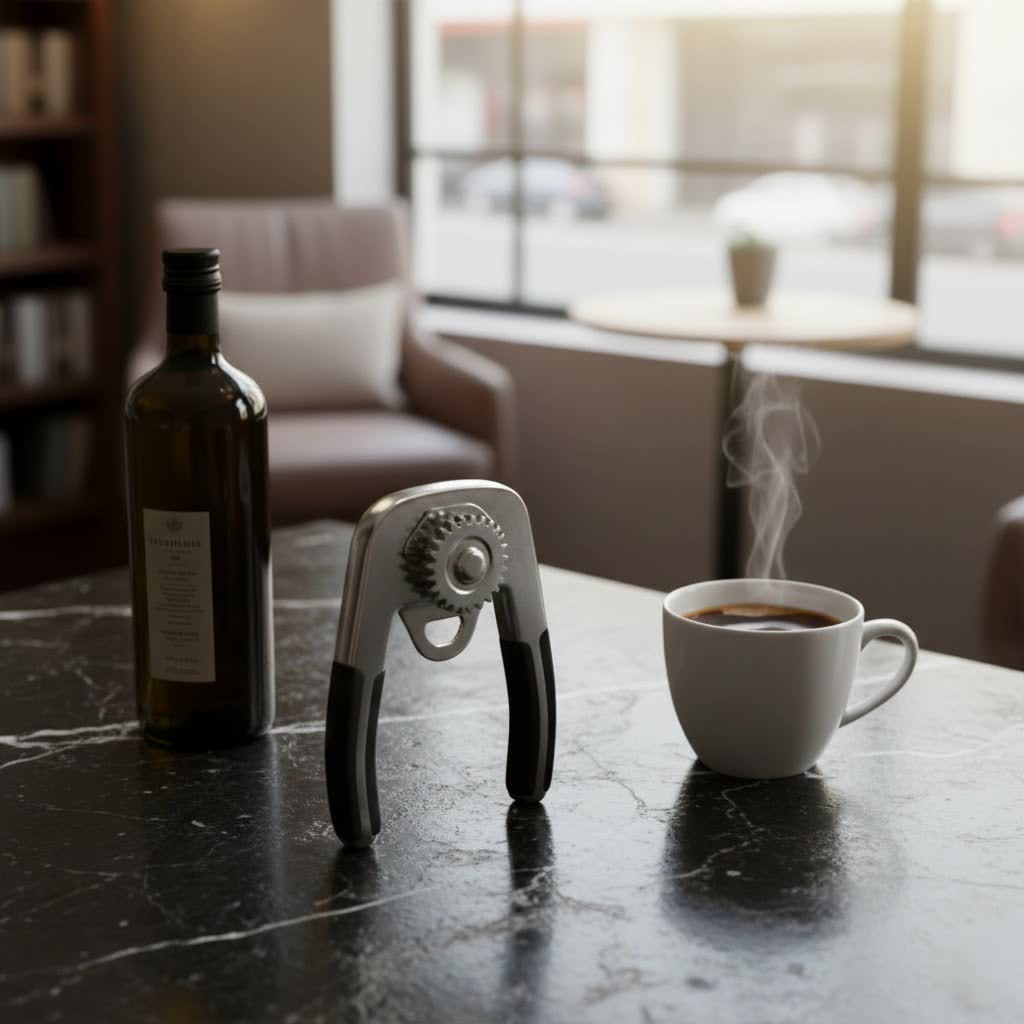
- Traditional (Rotary/Top-Cut) Can Openers: This is the most common and recognizable type, featuring two handles that clamp onto the can and a rotating crank. A sharp cutting wheel pierces the lid from the top, while a gear wheel turns the can. While intuitive for many, these openers often leave a sharp, jagged edge on both the lid and the can, posing a safety risk. However, well-designed models, like the OXO Good Grips Soft-Handled Manual Can Opener, aim to minimize burrs and offer comfortable use.
- Side-Cut (Smooth-Edge/Safety) Can Openers: These innovative openers cut along the side of the can, just below the rim, rather than through the top. The result is a smooth, dull edge on both the lid and the can, making them significantly safer to handle. Many side-cut models also leave a reusable lid and prevent the cutting wheel from touching the can’s contents, promoting better hygiene. Brands like Kuhn Rikon, OXO Good Grips Smooth Edge, and Bartelli offer excellent safety openers.
- Fixed/Butterfly Can Openers: These are typically more compact and minimalist, often found in camping kits or as basic, no-frills options. They usually involve a pointed blade that pierces the can and a hook for leverage, requiring the user to manually move the can or the opener to cut around the edge. While durable due to fewer moving parts, they demand more effort and invariably leave very sharp, uneven edges. They are generally not recommended for regular kitchen use due to safety and ease-of-use concerns.
|
Our Picks for the Best Can Opener in 2026
As an Amazon Associate I earn from qualifying purchases.
|
||
| Num | Product | Action |
|---|---|---|
| 1 | KitchenAid Classic Multifunction Can Opener and Bottle Opener Easy to Use, Razor Sharp Stainless Steel Cutting Wheel, Soft Ergonomic Handles, White |

|
| 2 | Beneno Heavy Duty Hand Can Opener Manual with Magnet, Durable Sharp Carbon Steel Blade Smooth Cutting, Big Effort-Saving Knob & Soft Grip Handle, Multifunctional Kitchen Tool with Bottle Opener, Green |
|
| 3 | Good Cook Can Opener, Safe Cut Manual Can Opener, no Sharp Can Edges, Black |
|
| 4 | Left handed Can Opener and Bottler Openers, Left hand Kitchen Tools Utensils for Lefty Adults/People (Black) |
|
| 5 | Can Opener Manual, Can Openers Hand Held with Comfort Anti-Slip Handles, Heavy Duty Stainless Steel Can Opener Smooth Edge and Bottle Openers, Easy Turn Can Openers for Seniors, Kitchen, White |
|
| 6 | KitchenAid Classic Multifunction Can Opener and Bottle Opener Easy to Use, Razor Sharp Stainless Steel Cutting Wheel, Soft Ergonomic Handles, Almond Cream |
|
| 7 | Electric Can Opener - One Touch Battery Operated Automatic Can Opener with Smooth Edges, Hands-Free Design, Perfect for Any Size Can, Ideal Kitchen Gadget for Seniors and Arthritis Sufferers |
|
| 8 | Zulay Kitchen Heavy Duty Stainless Steel Can Opener Manual with Bottle Opener - Rust Proof Manual Can Opener With Turn Knob & Comfy Soft Grip Handles - Black |
|
| 9 | GORILLA GRIP Heavy Duty Stainless Steel Smooth Edge Manual Can Opener, Soft Comfortable Handle, Large Handheld Turn Knob, Built-In Bottle Openers, US Designed, Holiday Prep Kitchen Essential, Black |
|
| 10 | KitchenAid Classic Multifunction Can Opener and Bottle Opener Easy to Use, Razor Sharp Stainless Steel Cutting Wheel, Soft Ergonomic Handles, Pistachio |
|
Key Factors to Consider When Buying a Manual Can Opener
Beyond the basic type, several other characteristics dictate a manual can opener’s performance and user satisfaction. Evaluating these can help you make an informed decision.
- Material and Durability: High-quality manual can openers are typically constructed from stainless steel, which offers superior resistance to rust and corrosion, ensuring a longer lifespan. Look for robust construction and sturdy components that feel solid in hand, rather than flimsy plastic or thin metal. A well-built opener should feel substantial and capable of handling frequent use.
- Ease of Use and Comfort: Ergonomics play a significant role, especially if you open cans frequently or have limited hand strength. Look for models with large, cushioned, non-slip handles that provide a comfortable and secure grip, even when wet. An oversized, easy-to-turn knob requires less effort and wrist strain, making the opening process smoother and faster. Ambidextrous designs are also a plus for universal comfort.
- Safety Features: This is paramount. Side-cut can openers are inherently safer as they eliminate sharp edges. Other safety-enhancing features include built-in lid-lifting tools or magnets that allow for hands-free removal of the lid, preventing contact with potentially sharp edges or food contents. Models with pliers grips also assist in safely detaching stubborn lids.
- Ease of Cleaning: Can openers can accumulate food residue and moisture, leading to bacterial growth and rust. Opt for models that are easy to clean. Some are dishwasher safe, while others require simple hand washing. Side-cut openers often have the advantage of their cutting mechanism not touching the food, simplifying cleanup. Look for designs that open wide or can be easily wiped down.
- Price and Value: Manual can openers range from under $10 to over $40. While budget options exist, investing a bit more in a well-designed, durable model often pays off in the long run through consistent performance and longevity. Consider the overall value, balancing cost with features, durability, and user reviews.
Top Manual Can Opener Brands
Several brands have established a reputation for producing reliable and highly-rated manual can openers. When searching for a quality tool, these names frequently appear in expert reviews and user recommendations.
- OXO Good Grips: Consistently praised for ergonomic designs, soft-grip handles, and user-friendly features. They offer both traditional and smooth-edge models, with the OXO Good Grips Soft Handle and Smooth Edge Can Openers frequently topping “best of” lists.
- Kuhn Rikon: Known for their innovative safety can openers that create smooth edges. The Kuhn Rikon Auto Safety Master Can Opener is a popular choice for its clean cut and easy operation, often featuring an ambidextrous knob.
- Swing-A-Way: A classic brand with a long history, their traditional models are celebrated for their durability and no-nonsense functionality. The Swing-A-Way Portable Can Opener is often cited for its robust construction.
- Zyliss: Offers can openers with thoughtful features like locking mechanisms for secure gripping and built-in magnets for lid removal, enhancing convenience and safety, such as the Zyliss Lock N’ Lift.
- Bartelli: The Bartelli Soft Edge 3-in-1 Ambidextrous Can Opener is a notable entry, lauded for its safety features, smooth-edge cutting, and comfortable use for both left and right-handed individuals.
- EZ-DUZ-IT: This brand offers a more traditional, heavy-duty American-made can opener, often favored for its classic design and robust performance.
Detailed Comparison Table of Best Manual Can Openers
| Product Name | Type | Key Features | Pros | Cons | Price Range |
|---|---|---|---|---|---|
| OXO Good Grips Soft-Handled | Traditional | Large, cushioned non-slip handles; oversized knob; stainless steel | Comfortable, easy to turn, durable. | Can leave sharp edges. | $15-$25 |
| OXO Good Grips Smooth Edge | Side-Cut | Side-wind mechanism; smooth edge cut; lid-lifting tool; stainless steel | Safe, leaves no sharp edges, hygienic, easy to clean, comfortable. | May require a slight learning curve. | $25-$35 |
| Kuhn Rikon Auto Safety Master | Side-Cut | Auto-grip; smooth edge cut; mini pliers for lid removal; ambidextrous knob | Very safe, effortless grip, ergonomic, minimal food contact. | Higher price point. | $20-$30 |
| EZ-DUZ-IT Deluxe | Traditional | Heavy-duty steel construction; simple, classic design | Extremely durable, reliable, straightforward operation. | Can rust if not dried properly, leaves sharp edges. | $10-$20 |
| Bartelli Soft Edge 3-in-1 Ambidextrous | Side-Cut | No-squeeze single handle; ambidextrous; smooth edge cut; multi-functional (3-in-1) | Safe, comfortable for all users, versatile, no hand strain. | Can be pricier than basic models. | $15-$25 |
| Zyliss Lock N’ Lift | Traditional | Locking handles; built-in magnet for lid lifting; non-slip grip | Secure grip, easy lid removal, comfortable, reduces hand fatigue. | Still a top-cut opener, so care needed with edges. | $20-$30 |
| PAKITNER Safe-Cut | Side-Cut | Compact design; side-cut mechanism; minimal moving parts | Affordable, safe smooth edge, easy to clean, compact for storage. | Might feel less robust than premium options. | $10-$15 |
How to Use and Maintain Your Manual Can Opener
Proper usage and maintenance are key to extending the life of your manual can opener and ensuring safe operation. Neglecting these steps can lead to rust, jamming, and premature wear.
How to Use:
- Positioning: For traditional openers, place the cutting wheel on the outside edge of the can’s rim and the gear wheel on the inside. Squeeze the handles to pierce the lid. For side-cut openers, position the opener on top of the can so the cutting mechanism sits just outside the rim.
- Gripping: Hold the can opener firmly, ensuring the cutting and gear wheels are properly engaged. Many modern openers have ergonomic handles for a secure and comfortable grip.
- Turning: Turn the crank clockwise (or in either direction for ambidextrous models) to rotate the can, allowing the blade to cut through the lid. Maintain steady pressure.
- Lid Removal: Once the can is fully opened, carefully release the handles. Many newer models include a magnet or a small pincer to help lift the lid safely without touching it. If not, use caution when removing the lid, as edges can be sharp, especially with traditional openers.
Maintenance Tips:
- Clean After Each Use: This is the most critical step. Wash your can opener immediately after each use with warm water and dish soap. Food residue, especially from acidic foods, can cause corrosion and harbor bacteria.
- Dry Thoroughly: After washing, dry your can opener completely with a towel before storing it. Moisture is the primary cause of rust, particularly on metal components.
- Dishwasher Safety: Check if your model is dishwasher safe. While convenient, handwashing and immediate drying often prolong the opener’s life, especially for those with intricate mechanisms.
- Lubrication: If your can opener starts to feel stiff or hard to turn, a simple trick is to clamp it onto a piece of wax paper and turn the crank. The wax will transfer to the gears, helping to lubricate them. For more severe sticking, a tiny drop of food-grade mineral oil can be applied (after thorough cleaning and drying).
- Storage: Store your can opener in a dry drawer or hang it where it’s not exposed to excess moisture.
Common Manual Can Opener Problems and Solutions
Even the best manual can openers can encounter issues. Knowing how to troubleshoot common problems can save you from frustration and extend your tool’s usability.
- Can Opener Slips or Doesn’t Grip: This often happens due to a dull cutting wheel, worn gears, or food debris stuck in the mechanism.
- Solution: Clean the gears thoroughly. Inspect the cutting wheel and gears for wear; if significantly dull or worn, it might be time for a replacement. Ensure the handles are tight and provide adequate clamping force.
- Leaves Sharp, Jagged Edges: This is a characteristic of traditional, top-cut can openers.
- Solution: If safety is a primary concern, consider upgrading to a side-cut or smooth-edge can opener that is designed to prevent sharp edges. When using a traditional opener, always exercise extreme caution when handling the lid and can rim.
- Hard to Turn/Stuck: Buildup of food, rust, or lack of lubrication can cause the crank to seize or become difficult to rotate.
- Solution: Perform a thorough cleaning, paying close attention to the cutting wheel and gears. If rust is present, try soaking it in white vinegar overnight, then scrubbing. Lubricate the mechanism with wax paper or a suitable food-grade lubricant. Check for loose screws that might be causing misalignment; tightening them can help.
- Rust Appears on Metal Parts: This is a sign of improper drying or prolonged exposure to moisture, especially in non-stainless steel models.
- Solution: Ensure you dry the can opener completely after every wash. If rust has already appeared, soak the affected parts in white or apple cider vinegar overnight, then scrub vigorously with a wire brush or old toothbrush until the rust is removed. Rinse and dry thoroughly. Consider a stainless steel model for future purchases.
Where to Buy the Best Manual Can Opener
Finding a reputable retailer for your manual can opener ensures you get a genuine, quality product and access to customer support.
- Online Retailers: Websites like Amazon, Williams Sonoma, Sur La Table, and specialized kitchenware e-commerce sites offer a vast selection, often with competitive pricing and detailed customer reviews. Be sure to check seller ratings and return policies.
- Brick-and-Mortar Stores: Department stores (e.g., Macy’s, Kohl’s), home goods stores (e.g., Bed Bath & Beyond), and specialty kitchen shops allow you to physically handle the can openers, assessing their comfort and build quality before purchasing.
- Avoid Fakes Online: When buying online, especially from third-party sellers, be wary of unusually low prices for popular brands, as these could indicate counterfeit products. Stick to official brand stores or well-known retailers to guarantee authenticity and quality.
Tips and Tricks for Using Your Manual Can Opener
Maximizing the efficiency and lifespan of your manual can opener often comes down to small adjustments and smart practices. These tips can help you tackle various cans and keep your tool in top condition.
Tips for Opening Different Types of Cans
While most can openers are designed for standard cylindrical cans, you might encounter variations that require a slightly different approach.
- Dented Cans: If a can is dented around the rim where the opener needs to grip, try starting the cut just beyond the dent. If the dent is severe, it might be safer to open the other end of the can, if possible, or consider a side-cut opener that might be less affected by rim deformities.
- Large Cans (e.g., #10 Cans): For very large cans, ensure your opener has a wide enough jaw and robust construction. Some commercial-grade manual openers are specifically designed for these larger sizes, offering greater leverage and durability.
- Cans with Pull-Tabs: While pull-tabs are designed for easy opening, they can sometimes break off. In such cases, treat it as a regular can and use your manual opener with caution around the remnants of the tab.
- Oval or Square Cans: Most manual rotary can openers are designed for round cans. Side-cut openers often handle various shapes better because their cutting mechanism works along the side seam, not just the circular rim.
Tricks for Cleaning a Manual Can Opener
Beyond basic washing, these methods can help dislodge stubborn grime and keep your opener sparkling.
- The Paper Towel Trick: If food particles are stuck in the gears, fold a paper towel into several layers and insert it between the cutting wheel and gear. Clamp down and turn the crank. The paper towel will “grab” and pull out much of the stuck-on grime as it rotates. Repeat with fresh sections of the towel until clean.
- The Wax Paper Lubrication: As mentioned before, if your opener is stiff, clamp it onto a folded piece of wax paper and turn the crank several times. The wax acts as a lubricant, making the opener glide more smoothly. This also helps dislodge minor debris.
- Deep Cleaning for Rust: For significant rust, submerging the metal parts in white vinegar or a mixture of baking soda and water overnight can work wonders. The mild acid helps break down the rust, which can then be scrubbed away with an abrasive brush. Always dry thoroughly afterward.
How to Handle a Jammed Can Opener
A jammed can opener can be frustrating, but often a simple fix is all that’s needed.
- Release and Re-grip: First, release the can opener completely from the can. Inspect the cutting wheel and gears for any visible food debris or bent parts. Clean any gunk out with a brush or toothpick.
- Adjust Positioning: Re-position the opener on a fresh section of the can’s rim, ensuring the cutting wheel is properly engaged. Sometimes a slight adjustment in angle or grip can make all the difference.
- Apply Steady Pressure: Ensure you are applying steady, firm pressure to the handles (for traditional openers) or simply engaging the mechanism (for safety openers) while turning the crank. Uneven pressure can cause slipping and jamming.
- Tighten Screws: Over time, small screws holding the components together can loosen. Check for any loose screws and gently tighten them with a small screwdriver. This can improve the alignment and stability of the cutting mechanism.
- Lubricate: If the opener feels stiff and won’t turn smoothly, use the wax paper trick or a food-grade lubricant after cleaning.
The right manual can opener can be an indispensable tool in any kitchen, offering reliability, portability, and independence from power sources. From traditional workhorses to innovative smooth-edge designs, the “best rated” often comes down to a balance of durability, ease of use, and essential safety features that cater to your personal needs. Investing in a quality model and practicing good maintenance habits will ensure your chosen opener remains a dependable helper for countless meals to come.
What features do you value most in a kitchen tool – is it safety, comfort, or sheer longevity?
Frequently Asked Questions
What is the difference between a top-cut and a side-cut can opener?
A top-cut can opener cuts into the lid of the can, often leaving sharp edges on both the lid and the can. A side-cut, or smooth-edge, can opener cuts along the side of the can below the rim, resulting in a smooth, safe edge and often a reusable lid. Side-cut openers are generally considered safer and more hygienic.
Are manual can openers difficult to use for people with arthritis?
Many modern manual can openers are designed with ergonomic features specifically to assist users with arthritis or limited hand strength. Look for models with large, cushioned, non-slip handles and oversized, easy-to-turn knobs that require less grip strength and effort. Side-cut openers can also be easier as they don’t require squeezing handles tightly.
How often should I clean my manual can opener?
It is highly recommended to clean your manual can opener immediately after each use. Food residue can accumulate quickly, leading to rust and bacterial growth. Regular washing with warm, soapy water and thorough drying will keep your opener hygienic and extend its lifespan.
My manual can opener is rusty. Can I still use it?
Using a rusty can opener is not advisable as rust can contaminate food and impair the opener’s function. Small rust spots can often be removed by soaking the opener in vinegar overnight and scrubbing. However, if rust is extensive or the mechanism is compromised, it’s best to replace the can opener for safety and performance.
How do I prevent my manual can opener from slipping off the can?
Slipping often indicates dull blades, worn gears, or trapped food debris. Ensure the opener’s cutting wheels are clean and sharp. Apply firm, steady pressure when clamping the opener onto the can, ensuring both wheels are properly engaged with the rim before turning the crank. If the problem persists, the opener may need replacement.
