Are you tired of wrestling with stubborn cans, struggling with manual openers that strain your hands, or dealing with sharp, jagged edges? You’re not alone. For many, opening a simple can can be a frustrating chore, especially for those with limited hand strength, arthritis, or simply a busy lifestyle. Enter the automatic can opener—a game-changing kitchen gadget designed to transform this mundane task into a seamless, hands-free experience. These innovative devices offer a blend of convenience, safety, and efficiency, making them a worthy addition to any modern kitchen. This comprehensive guide will walk you through everything you need to know about automatic can openers, helping you select the perfect model to simplify your daily cooking routine.
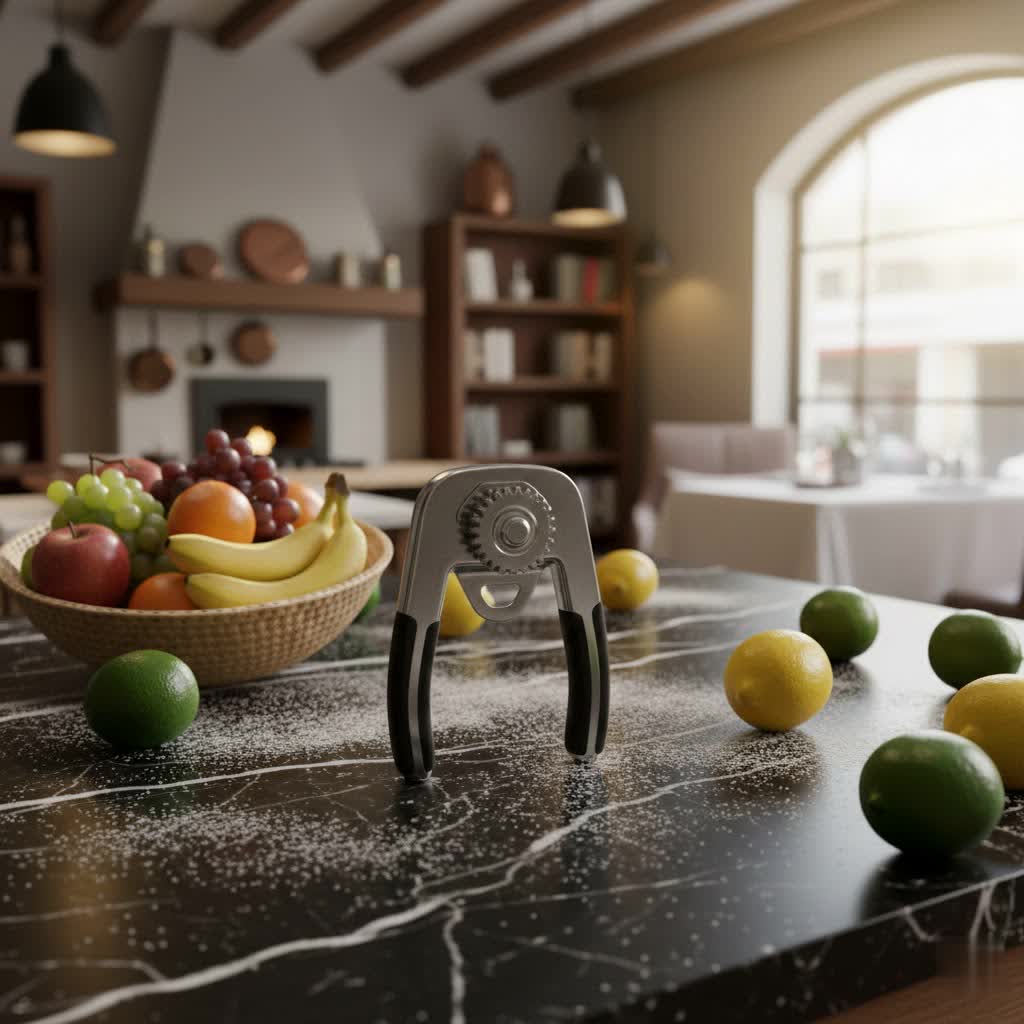
The Essential Guide to Choosing the Best Automatic Can Opener
Selecting the right automatic can opener involves understanding the different types available and the key features that truly matter. A well-chosen can opener can make a significant difference in your kitchen, providing ease and safety with every use.
Types of Automatic Can Openers
Automatic can openers primarily come in two main designs, each offering distinct advantages depending on your kitchen setup and personal preferences.
- Countertop (Electric, Freestanding) Models: These robust devices are designed to sit permanently on your kitchen counter. They are typically corded, offering consistent power without the need for battery replacements. Countertop models often feature a sturdy base, a powerful motor, and a lever mechanism that securely clamps the can in place. They excel at opening a wide variety of can sizes effortlessly and are ideal for households that open many cans frequently or for those who appreciate a dedicated, always-ready appliance. Some may even include integrated knife sharpeners or bottle openers.
- Handheld (Battery-Operated, Cordless) Models: Compact and portable, these automatic can openers operate on batteries, making them perfect for small kitchens, camping trips, or anyone who values flexibility and easy storage. You simply place the device on top of the can, press a button, and it “walks” itself around the lid, cutting cleanly. Many handheld models are praised for their smooth-edge cutting, leaving no sharp edges on the can or lid. While they offer convenience and take up minimal drawer space, remember to keep spare batteries on hand or ensure rechargeable models are charged.
|
Our Picks for the Best Can Opener in 2026
As an Amazon Associate I earn from qualifying purchases.
|
||
| Num | Product | Action |
|---|---|---|
| 1 | GORILLA GRIP Heavy Duty Stainless Steel Smooth Edge Manual Can Opener, Soft Comfortable Handle, Large Handheld Turn Knob, Built-In Bottle Openers, US Designed, Holiday Prep Kitchen Essential, Black |

|
| 2 | Beneno Heavy Duty Hand Can Opener Manual with Magnet, Durable Sharp Carbon Steel Blade Smooth Cutting, Big Effort-Saving Knob & Soft Grip Handle, Multifunctional Kitchen Tool with Bottle Opener, Green |
|
| 3 | KitchenAid Classic Multifunction Can Opener and Bottle Opener Easy to Use, Razor Sharp Stainless Steel Cutting Wheel, Soft Ergonomic Handles, Pistachio |
|
| 4 | KitchenAid Classic Multifunction Can Opener and Bottle Opener Easy to Use, Razor Sharp Stainless Steel Cutting Wheel, Soft Ergonomic Handles, Almond Cream |
|
| 5 | KitchenAid Classic Multifunction Can Opener and Bottle Opener Easy to Use, Razor Sharp Stainless Steel Cutting Wheel, Soft Ergonomic Handles, White |
|
| 6 | Can Opener Manual, Can Openers Hand Held with Comfort Anti-Slip Handles, Heavy Duty Stainless Steel Can Opener Smooth Edge and Bottle Openers, Easy Turn Can Openers for Seniors, Kitchen, White |
|
| 7 | Left handed Can Opener and Bottler Openers, Left hand Kitchen Tools Utensils for Lefty Adults/People (Black) |
|
| 8 | Good Cook Can Opener, Safe Cut Manual Can Opener, no Sharp Can Edges, Black |
|
| 9 | Zulay Kitchen Heavy Duty Stainless Steel Can Opener Manual with Bottle Opener - Rust Proof Manual Can Opener With Turn Knob & Comfy Soft Grip Handles - Black |
|
| 10 | Electric Can Opener - One Touch Battery Operated Automatic Can Opener with Smooth Edges, Hands-Free Design, Perfect for Any Size Can, Ideal Kitchen Gadget for Seniors and Arthritis Sufferers |
|
Key Features to Consider When Buying an Automatic Can Opener
When investing in an automatic can opener, several features contribute to its performance, safety, and overall user experience.
- Cutting Mechanism: This is a crucial distinction. Side-cut (or smooth-edge) openers cut along the side of the can, just below the rim, unsealing the lid without creating sharp edges. This often allows the lid to be re-seated for temporary storage and prevents metal shavings from falling into food. Top-cut openers pierce the lid from above, which can leave sharp edges on both the can and the lid. While top-cut can be useful for draining liquids, side-cut is generally preferred for safety.
- Power Source: Corded models offer continuous power and are ideal for fixed kitchen locations. Cordless (battery-operated) models provide portability but require battery maintenance. Some cordless models are rechargeable, combining the benefits of both.
- Ease of Use & Hands-Free Operation: Look for models with one-touch operation, where a simple press of a button initiates the cutting. An automatic shut-off feature is highly desirable, as it stops the opener once the can is fully open, allowing you to multitask. A magnetic lid holder is also invaluable, securely lifting the lid once cut, preventing it from falling into your food.
- Versatility: A good automatic can opener should handle a range of can sizes, from small tomato paste cans to large institutional sizes. Some models can even tackle dented or unusually shaped cans with ease, which is a significant advantage over many manual openers.
- Durability & Materials: Opt for models with robust construction, preferably featuring stainless steel cutting blades for longevity and efficient cutting. Sturdy plastics are acceptable for the body, but key functional parts should be durable.
- Safety Features: Beyond smooth-edge cutting, look for stable designs, rubberized feet to prevent slipping, and mechanisms that keep fingers away from the blade during operation. The automatic shut-off also contributes to safety.
- Ease of Cleaning: Cans can be messy. Choose an opener with removable cutting units or smooth surfaces that are easy to wipe clean. Preventing food residue buildup is key for hygiene and performance.
- Design & Storage: Consider your kitchen space. Countertop models need dedicated counter space, so a sleek design might be important. Handheld models should be compact enough for drawer storage.
Top Automatic Can Opener Brands and Models Compared
The market offers several reputable brands known for their quality automatic can openers. Here’s a look at some leading options and what sets them apart:
- Hamilton Beach: A perennial favorite, Hamilton Beach offers several highly-rated automatic can openers. The Hamilton Beach Smooth Touch Can Opener is particularly popular for its side-cut mechanism, leaving smooth edges. It’s often praised for its ability to handle dented cans and its one-handed operation. The Hamilton Beach Classic Electric Automatic Can Opener is another workhorse, known for durability and sometimes featuring a built-in knife sharpener. The Walk ‘n Cut is a unique rechargeable handheld option.
- Kitchen Mama: Renowned for its portable, battery-operated handheld automatic can openers. The Kitchen Mama Auto Electric Can Opener is a bestseller, celebrated for its smooth-edge cutting, hands-free operation, and compact size, making it ideal for those with arthritis or limited grip strength.
- Cuisinart Deluxe Electric Can Opener: This countertop model often features a sleek, high-end design with stainless steel accents. It’s known for its sturdy base, powerful motor, and reliable one-touch operation with auto shut-off, capable of opening tall and heavy cans.
- Black+Decker EasyCut Extra-Tall Can Opener: A budget-friendly countertop option that often includes extra features like a bottle opener and knife sharpener. It performs well with various can sizes and typically has an auto shut-off.
- Proctor Silex Power Electric Can Opener: Another excellent budget pick, this compact countertop model offers reliable performance and easy alignment for efficient can opening.
Detailed Comparison Table of Popular Automatic Can Openers
| Model/Brand | Type | Cutting Style | Power Source | Key Features | Pros | Cons |
|---|---|---|---|---|---|---|
| Hamilton Beach Smooth Touch | Countertop | Side-Cut | Corded | One-hand operation, smooth edges, handles dented cans, sleek design | Very easy to use, safe edges, reliable | Requires counter space, doesn’t auto-stop (some models) |
| Kitchen Mama Auto Electric | Handheld | Side-Cut | Battery-Operated | One-touch, hands-free, smooth edges, compact, magnetic lid lifter | Excellent for arthritis, portable, safe cuts | Requires batteries, can struggle with very small/large cans |
| Cuisinart Deluxe SC0-60 | Countertop | Top-Cut | Corded | Auto shut-off, wide sturdy base, knife sharpener (some models), tall design | Stable, powerful, handles tall cans, stylish | Can leave sharp edges (top-cut), not compact |
| Black+Decker EasyCut | Countertop | Top-Cut | Corded | Extra-tall, multi-tool (bottle opener, knife sharpener), auto shut-off | Good value, versatile with extra tools, handles tall cans | Can feel lightweight, top-cut edges |
| Hamilton Beach Walk ‘n Cut | Handheld | Side-Cut | Rechargeable | Cordless convenience, smooth edges, ‘walks’ around can, lighter weight | Portable, no battery replacement, safe edges | Can be larger than expected for a handheld |
| Proctor Silex Power | Countertop | Top-Cut | Corded | Compact design, easy alignment, basic operation, budget-friendly | Affordable, simple to use, space-saving for a countertop model | Basic features, top-cut edges, less powerful for tough jobs |
How to Use and Maintain Your Automatic Can Opener
Mastering your automatic can opener is straightforward, but proper usage and maintenance ensure longevity and optimal performance.
Step-by-Step Usage Guide:
- Prepare the Can Opener: For countertop models, ensure it’s plugged in and on a stable surface. For handheld models, check battery life. Lift the lever (for countertop) or align the cutting mechanism (for handheld) to prepare for the can.
- Position the Can: Place the can under the cutting blade (countertop) or on a flat surface with the opener positioned on top (handheld). Ensure the can’s rim is properly aligned with the cutting wheel and blade for a secure grip.
- Activate the Device: Press the activation button or push down the lever to start the cutting process. The can opener will latch onto the can and begin to rotate, slicing through the lid.
- Wait for Automatic Stop: Most automatic openers will stop once the cut is complete. For models without auto shut-off, press the button again to stop the operation.
- Remove the Lid: Use the built-in magnet (if available) to lift the lid safely off the can. If there’s no magnet, carefully remove the lid using a utensil to avoid contact with any potential sharp edges.
Cleaning and Maintenance Tips:
- Wipe Down After Use: Immediately after opening a can, wipe the cutting blade, gears, and any contact surfaces with a damp cloth to remove food residue. This prevents buildup that can jam the mechanism.
- Removable Parts: If your model has a removable cutting unit or lever, detach it for a more thorough cleaning. Many are dishwasher-safe, but check your user manual.
- Battery Management: For cordless models, replace batteries regularly or keep rechargeable units charged to prevent sluggish operation or mid-cut stoppages.
- Occasional Lubrication: Some models may benefit from a tiny drop of food-safe mineral oil on the gears if they start to become stiff, but this is less common for modern electric models.
Common Automatic Can Opener Issues and Troubleshooting
Even the best automatic can openers can encounter occasional hiccups. Here’s how to troubleshoot common problems:
- Can Misalignment: If the opener isn’t engaging or cutting unevenly, the can’s rim might not be properly aligned. Stop the device, re-position the can ensuring the blade is seated correctly, and try again.
- Low Battery Power: For handheld, battery-operated models, a low battery is a frequent culprit for slow operation or incomplete cuts. Replace the batteries or recharge the unit.
- Jammed Gears/Food Residue: Bits of food or dried liquid can gum up the cutting mechanism. Follow the cleaning instructions to thoroughly remove any obstructions. Never force the mechanism if it feels stuck.
- Struggling with Certain Can Types: Some openers, especially budget models, might struggle with very thick-rimmed, unusually shaped, or severely dented cans. Check your opener’s specifications for compatible can sizes.
- Uneven Cuts: If the lid isn’t cutting cleanly, it might be due to misalignment, a dull blade (less common with electrics but possible over time), or an opener struggling with a particular can material. Try re-positioning or cleaning the blade.
Where to Buy Automatic Can Openers
Automatic can openers are widely available, making them easy to purchase both online and in physical stores.
- Online Retailers: Websites like Amazon, Walmart, Target, and manufacturer-specific online stores (e.g., Hamilton Beach, Kitchen Mama) offer the broadest selection, competitive pricing, and often detailed customer reviews. Be sure to check shipping options and return policies.
- Brick-and-Mortar Stores: You can find automatic can openers at department stores (like Macy’s, Kohl’s), kitchen specialty stores (like Sur La Table, Williams Sonoma), and general merchandise stores. Buying in-store allows you to physically inspect the product and get immediate assistance from sales associates.
- Tips for Online Shopping: Always read customer reviews to gauge real-world performance and durability. Check for warranty information and understand the return policy before making a purchase. Be wary of unusually low prices from unknown sellers, which might indicate counterfeit or low-quality products.
Tips and Tricks for Seamless Automatic Can Opener Use
Beyond basic operation, a few clever tips can enhance your experience with an automatic can opener.
Opening Different Can Types Effectively
While automatic openers simplify the process, knowing a few tricks can help with challenging cans.
- Standard vs. Large/Small Cans: Most automatic openers are designed for standard-sized cans. For very large or very small cans, ensure your chosen model specifically states compatibility. Countertop models often handle larger cans with greater stability, while certain handheld models are surprisingly versatile for various sizes.
- Dented or Oddly Shaped Cans: Some high-quality side-cut openers, like the Hamilton Beach Smooth Touch, are known for their ability to navigate around minor dents. For severely dented or unusually shaped cans, manual intervention or a specialized manual opener might be necessary if your automatic model struggles.
- Pop-Top Cans with Side-Cut Openers: A great benefit of side-cut automatic openers is their ability to open pop-top cans. If you struggle with the pull tab, simply use your automatic opener as usual—it will cut beneath the rim, bypassing the tab entirely.
Keeping Your Automatic Can Opener Clean
A clean can opener is a happy and efficient can opener.
- Regular Wiping is Key: Make it a habit to wipe down the cutting wheel and magnet with a damp cloth immediately after each use. This prevents food particles from drying and sticking, which can affect performance.
- Detachable Parts for Deeper Cleaning: If your opener has removable parts, take advantage of them. Periodically remove and wash these components according to the manufacturer’s instructions. This ensures thorough sanitation and prevents bacterial buildup.
- Preventing Residue Buildup: Always try to open cans that are relatively clean on the outside. If a can is sticky or dirty, give it a quick rinse before placing it in the opener to minimize residue transfer.
What to Do When Your Automatic Can Opener Gets Stuck
Encountering a jam can be frustrating, but most issues are easily resolved.
- Stop and Re-align: If the opener stalls or makes unusual noises, immediately stop the device. Remove the can and inspect the alignment. Often, simply re-seating the can properly will resolve the issue.
- Check for Obstructions: Look closely at the cutting wheel and gears for any lodged food particles, metal shavings, or bent edges of the can that might be causing a jam. Gently remove any obstructions.
- Battery Issues: For battery-operated models, a common cause of sluggishness or getting stuck is depleted batteries. Replace them with fresh ones to ensure full power.
- Avoid Forcing It: Never try to force an automatic can opener to work if it’s jammed. This can damage the motor or blade, shortening the lifespan of your appliance. Patiently troubleshoot and clean the device.
Conclusion
The automatic can opener is more than just a convenience; it’s an essential kitchen tool that offers enhanced safety, efficiency, and accessibility for everyone. Whether you’re seeking relief for arthritic hands, aiming to speed up meal prep, or simply desiring a smoother, safer can-opening experience, there’s an automatic model perfectly suited to your needs. By understanding the different types, considering crucial features like cutting style and power source, and knowing how to properly use and maintain your device, you can confidently choose an automatic can opener that transforms your kitchen tasks. Embrace the ease and safety these clever gadgets provide, and say goodbye to strenuous struggles and sharp edges forever.
What kind of culinary adventures will you embark on now that opening cans is effortlessly simple?
Frequently Asked Questions
Are automatic can openers better than manual ones?
Automatic can openers generally offer superior ease of use, safety (especially side-cut models that leave smooth edges), and are ideal for individuals with limited hand strength or arthritis. While manual openers are portable and durable, automatics provide hands-free convenience and consistent results.
Do automatic can openers work on all can sizes?
Most automatic can openers are designed for standard-sized cans. While many can handle a range of small to large cans, very oversized, miniature, or oddly shaped cans might pose a challenge for some models. Always check the product specifications for compatibility.
How do smooth-edge automatic can openers work?
Smooth-edge automatic can openers work by cutting beneath the can’s rim, detaching the lid without slicing into the top. This unique cutting mechanism leaves a smooth, safe edge on both the lid and the can, eliminating sharp hazards and often allowing the lid to be re-used as a temporary cover.
Can an automatic can opener open dented cans?
Some higher-quality automatic can openers, particularly certain side-cut models, are designed to work on cans with minor dents. However, severely dented cans can still be problematic and may require multiple attempts or a different method to open safely.
How do I clean my automatic can opener?
For most automatic can openers, simply wiping the cutting blade, gears, and any food-contact surfaces with a damp cloth immediately after each use is sufficient. Models with removable cutting units allow for more thorough cleaning, sometimes even being dishwasher-safe.
What batteries do handheld automatic can openers use?
Most handheld automatic can openers typically operate on AA batteries, though some larger or rechargeable models might use different battery types. Always refer to your specific model’s manual for the correct battery size and type.
Are automatic can openers safe for children to use?
While automatic can openers significantly enhance safety by minimizing sharp edges and requiring less physical effort, direct supervision is always recommended when children are using any kitchen appliance with moving parts or blades.
