Are you tired of struggling with flimsy can openers that bend, break, or leave dangerous jagged edges? For anyone who regularly deals with numerous or oversized cans, whether in a bustling commercial kitchen or a busy home, the frustration of an inadequate can opener is all too real. Investing in a heavy-duty can opener isn’t just about convenience; it’s about embracing durability, efficiency, and safety in your daily food preparation. This comprehensive guide will equip you with the knowledge to select the perfect heavy-duty can opener, transforming a mundane chore into a seamless experience.
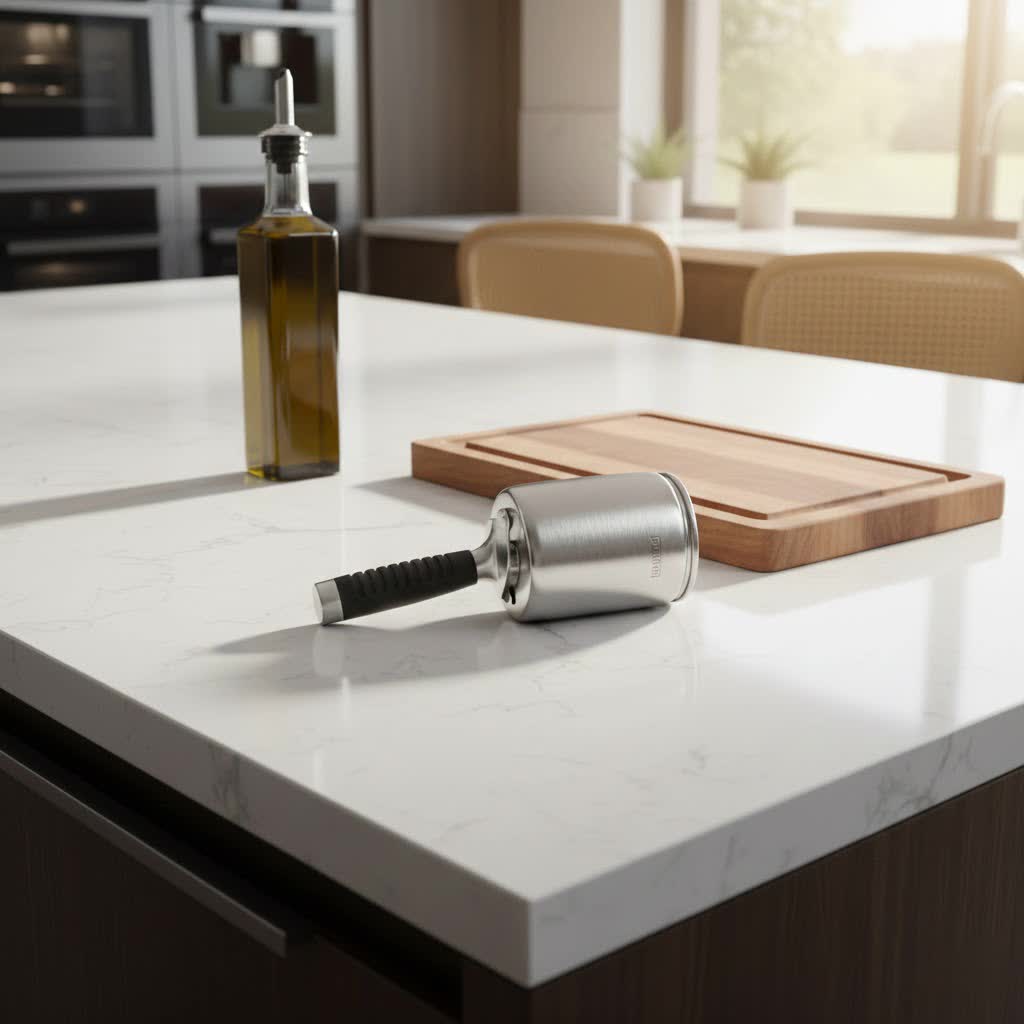
Guide to Choosing the Best Heavy-Duty Can Opener
Selecting a heavy-duty can opener requires understanding the various types available and the critical features that contribute to their superior performance. These robust tools are designed to withstand frequent use, handle large volumes, and effortlessly tackle even the toughest can lids, making them a cornerstone for any serious cook or professional chef.
Types of Heavy-Duty Can Openers
Heavy-duty can openers come in several configurations, each designed to meet specific needs and usage volumes. Understanding the distinct advantages of each type will help you determine the best fit for your kitchen.
- Manual Heavy-Duty Can Openers: These are robust, often larger versions of the traditional handheld model, built with stronger materials and more substantial gears. Many heavy-duty manual openers are designed for countertop mounting—either with a clamp base for portability or a screw-in base for permanent installation—providing exceptional stability and leverage for opening large #10 cans or up to 50 cans per day. Their simple mechanics make them highly durable and reliable, often lasting for years with proper care.
- Electric Heavy-Duty Can Openers: For those seeking minimal effort, heavy-duty electric can openers offer automated, hands-free operation. These units are typically taller and wider than standard electric models, capable of accommodating larger and heavier cans, sometimes up to 48 ounces. Key features often include strong magnets to hold cans in place, one-touch operation, and auto shut-off mechanisms for convenience and safety. Electric models significantly reduce physical strain, making them ideal for individuals with limited hand strength or high-volume settings where speed is paramount.
- Crown Punch Can Openers: Representing the pinnacle of high-volume efficiency, crown punch can openers are a specialized type predominantly found in industrial or very busy commercial kitchens. These powerful machines cut the entire lid in a single swift motion by pressing a circular set of blades into the can top. They are engineered for extreme usage, capable of opening hundreds, or even thousands, of cans per day (e.g., 100 to 3000 cans daily), often designed specifically for standard #10 food service cans.
|
Our Picks for the Best Can Opener in 2026
As an Amazon Associate I earn from qualifying purchases.
|
||
| Num | Product | Action |
|---|---|---|
| 1 | Zulay Kitchen Heavy Duty Stainless Steel Can Opener Manual with Bottle Opener - Rust Proof Manual Can Opener With Turn Knob & Comfy Soft Grip Handles - Black |

|
| 2 | Can Opener Manual, Can Openers Hand Held with Comfort Anti-Slip Handles, Heavy Duty Stainless Steel Can Opener Smooth Edge and Bottle Openers, Easy Turn Can Openers for Seniors, Kitchen, White |
|
| 3 | Good Cook Can Opener, Safe Cut Manual Can Opener, no Sharp Can Edges, Black |
|
| 4 | KitchenAid Classic Multifunction Can Opener and Bottle Opener Easy to Use, Razor Sharp Stainless Steel Cutting Wheel, Soft Ergonomic Handles, Pistachio |
|
| 5 | KitchenAid Classic Multifunction Can Opener and Bottle Opener Easy to Use, Razor Sharp Stainless Steel Cutting Wheel, Soft Ergonomic Handles, Almond Cream |
|
| 6 | Left handed Can Opener and Bottler Openers, Left hand Kitchen Tools Utensils for Lefty Adults/People (Black) |
|
| 7 | GORILLA GRIP Heavy Duty Stainless Steel Smooth Edge Manual Can Opener, Soft Comfortable Handle, Large Handheld Turn Knob, Built-In Bottle Openers, US Designed, Holiday Prep Kitchen Essential, Black |
|
| 8 | Electric Can Opener - One Touch Battery Operated Automatic Can Opener with Smooth Edges, Hands-Free Design, Perfect for Any Size Can, Ideal Kitchen Gadget for Seniors and Arthritis Sufferers |
|
| 9 | Beneno Heavy Duty Hand Can Opener Manual with Magnet, Durable Sharp Carbon Steel Blade Smooth Cutting, Big Effort-Saving Knob & Soft Grip Handle, Multifunctional Kitchen Tool with Bottle Opener, Green |
|
| 10 | KitchenAid Classic Multifunction Can Opener and Bottle Opener Easy to Use, Razor Sharp Stainless Steel Cutting Wheel, Soft Ergonomic Handles, White |
|
Key Factors to Consider When Buying a Heavy-Duty Can Opener
When investing in a heavy-duty can opener, several crucial elements differentiate a good model from an exceptional one. Focusing on these factors will ensure your chosen opener meets your performance and longevity expectations.
- Material and Durability: The backbone of any heavy-duty can opener is its construction material. Look for models crafted from high-quality, robust metals such as stainless steel, hardened steel (for blades), cast iron, or heavy-duty aluminum. These materials are essential for resisting corrosion, preventing rust, and ensuring the opener can withstand the rigors of frequent, demanding use over many years. A sturdy build is the primary differentiator from standard, less durable models.
- Opening Capacity: “Heavy-duty” implies the ability to handle a significant workload. Consider the number of cans you anticipate opening daily. True heavy-duty models are typically rated to open 50 or more cans per day, sometimes several cans per minute, making them suitable for high-volume environments where efficiency is critical.
- Can Size Compatibility: A versatile heavy-duty can opener should accommodate a wide array of can sizes. Crucially, it must be capable of effortlessly opening large #10 cans, which are standard in many commercial settings, alongside smaller, everyday cans. Adjustable mechanisms are a beneficial feature to ensure adaptability across different can dimensions.
- Ease of Use and Ergonomics: Even robust tools should be comfortable to operate. Look for features like oversized, easy-grip knobs or handles that provide ample leverage and reduce strain during prolonged use. Smooth-turning mechanisms are vital for effortless operation, contributing to both user comfort and efficiency. An ergonomic design can significantly reduce hand fatigue, especially when processing numerous cans.
- Safety Features: Safety is paramount when dealing with sharp edges and heavy cans. Many modern heavy-duty can openers feature a “side-cut” mechanism, which cuts along the side wall of the can below the rim, leaving a smooth, safe edge on both the lid and the can. This significantly reduces the risk of accidental cuts and prevents metal shavings from falling into the food. Secure mounting options, like stable bases or wall attachments, also enhance safety by preventing slips and wobbles during operation.
- Cleaning and Maintenance: Hygiene is a top concern, especially in food preparation. Opt for can openers with removable levers or cutting mechanisms that are easy to clean. Dishwasher-safe components further simplify maintenance. Rust-resistant materials, as mentioned earlier, also contribute to easier long-term care and sanitation.
- Mounting Options: For maximum stability and efficiency in high-volume settings, consider models with built-in mounting options. Table-mounted can openers typically use a sturdy clamp or a bolt-down base, while some heavy-duty manual options can be wall-mounted. These secure installations provide an unyielding foundation, preventing the opener from shifting during use and offering optimal leverage.
- Price and Warranty: Heavy-duty can openers represent an investment, often priced higher than their standard counterparts due to superior materials and construction. However, their longevity and performance offer excellent long-term value. Always check for a warranty, which can provide peace of mind and protection for your investment.
Top Heavy-Duty Can Opener Brands and Models
While specific product models can change, several brands consistently receive recognition for their quality and durability in the heavy-duty can opener market. For commercial-grade performance, Edlund, Garde, and Vollrath are widely respected, known for their robust manual and electric countertop models designed to handle thousands of cans over their lifespan. Brands like OXO, Rösle, and Cuisinart also offer highly durable and ergonomically designed models that excel in demanding home kitchens or light commercial use, often featuring smooth-edge cutting for enhanced safety.
Detailed Comparison of Can Opener Characteristics
| Feature | Manual Heavy-Duty | Electric Heavy-Duty | Crown Punch |
|---|---|---|---|
| Material | Stainless Steel, Cast Iron, Hardened Steel | Stainless Steel, Durable Plastics, Hardened Steel | Heavy-duty Metals (e.g., cast iron, plated steel) |
| Capacity | Up to 50 cans/day; 4-6 cans/min | Moderate to High (e.g., 75+ cans/day) | Very High (100-3000 cans/day; 6-10 cans/min) |
| Can Size | Versatile; excellent for #10 cans | Standard to Large (#10 cans, 48oz cans) | Primarily #10 cans; adaptable |
| Ease of Use | Requires manual cranking; high leverage handles | Hands-free, one-touch operation | Single swift motion |
| Safety | Can leave sharp edges (some side-cut models exist) | Often smooth-edge cutting | Designed for clean, quick cuts |
| Mounting | Table-mounted (clamp/screw-in), wall-mounted | Countertop (stable base) | Table-mounted, dedicated stations |
| Maintenance | Easy to clean, durable parts | Removable lever, easy blade cleaning | Robust, often replaceable blade sets |
| Pros | Extremely durable, reliable, no power needed | Effortless, ideal for limited hand strength | Fastest for high volume, very efficient |
| Cons | Requires physical effort | Needs power outlet, less compact | Specific for high volume, larger footprint |
How to Use and Maintain Your Heavy-Duty Can Opener
Proper use and consistent maintenance are key to maximizing the lifespan and performance of your heavy-duty can opener.
- Using a Manual Heavy-Duty Can Opener: For table or wall-mounted models, ensure the can is securely positioned against the guide plate. Engage the cutting wheel and gear onto the can’s rim, then turn the crank handle steadily. Apply firm, consistent pressure to achieve a clean cut. For side-cut models, position the opener on the side of the can, turn the knob, and the lid will pop off smoothly.
- Using an Electric Heavy-Duty Can Opener: Simply place the can under the cutting mechanism, ensuring it’s properly aligned and held by the magnet (if present). Press the activation lever or button, and the opener will do the work. Once the can is fully opened, the machine may automatically shut off, or you’ll need to release the lever.
- Cleaning and Care: After each use, especially with acidic foods, wipe down the cutting blade and gear with warm, soapy water. For models with removable parts, detach them for a more thorough cleaning. Always dry all metal components thoroughly to prevent rust, a common issue even with stainless steel if left wet. Store your can opener in a dry place. Regularly check for any food debris or sticky residue that could impede its function.
Common Issues with Can Openers and How to Fix Them
Even the most robust can openers can encounter minor hiccups. Knowing how to troubleshoot common problems can save you time and prolong your tool’s life.
- Can Gets Stuck or Opener Slips: This often occurs due to improper alignment, dull blades, or a lack of firm grip.
- Fix: Ensure the cutting wheel firmly grips the can’s rim. If using a manual opener, apply steady, even pressure. For mounted units, confirm the can is seated correctly against the guide. If blades are dull, consider sharpening or replacing them.
- Jagged Edges on Lids: This is a safety concern and typically indicates an issue with the cutting mechanism or technique.
- Fix: Ensure the blades are sharp and clean. If your opener consistently produces sharp edges, consider upgrading to a side-cut model designed to create smooth, safe edges.
- Metal Shavings in Food: This is an unsanitary and unsafe problem.
- Fix: This can be a sign of a worn-out blade or improper cutting technique that grinds metal instead of cleanly slicing. A well-maintained heavy-duty opener with sharp blades, especially a side-cut model, should prevent this. Immediately replace any opener that causes metal shavings.
- Difficulty Turning the Crank: This can be due to a stiff mechanism, rust, or a bent component.
- Fix: Clean and lubricate moving parts if they are safe for food contact. Inspect for any visible damage or bending. For manual openers, ensure you have sufficient leverage; a longer handle or a mounted unit can significantly ease turning.
Where to Buy High-Quality Heavy-Duty Can Openers
Finding a reliable heavy-duty can opener means looking beyond typical retail shelves. For the best selection and expert advice, consider these sources:
- Specialty Kitchen Supply Stores: Local or online kitchenware retailers that cater to professional chefs often stock commercial-grade heavy-duty can openers.
- Commercial Restaurant Equipment Suppliers: Websites like WebstaurantStore or Central Restaurant Products specialize in equipment for high-volume settings and are excellent sources for durable, high-capacity models.
- Reputable Online Retailers: Major online platforms (like Amazon) also carry a wide range of heavy-duty options. Always check seller reviews, product descriptions, and return policies, especially for higher-priced items, to avoid counterfeit or low-quality products.
Tips and Tricks for Heavy-Duty Can Opener Use
Maximizing your heavy-duty can opener’s potential involves more than just knowing how to operate it; it’s about mastering techniques that enhance efficiency and longevity.
Tips for Opening Different Can Types
Heavy-duty can openers are built for versatility, but a few pointers can optimize their use for various cans:
- Large #10 Cans: For these sizable containers, leverage is key. If using a table-mounted manual opener, ensure the can is firmly seated against the base and use the full range of motion of the crank for smooth, continuous cutting. Electric models should be tall enough to accommodate their height comfortably.
- Small Cans: While often overkill, a heavy-duty opener will handle small cans with ease. Just ensure proper alignment to prevent the can from slipping or wobbling during the cut.
- Oddly Shaped Cans: Some heavy-duty models, particularly certain manual types, are more adaptable to non-standard shapes. Always check the product specifications if you frequently open oval or unusually shaped cans.
Best Practices for Cleaning Your Can Opener
Maintaining impeccable hygiene, especially in a commercial environment, is crucial for your can opener.
- Immediate Cleaning: Clean your can opener immediately after each use. Food particles, especially from acidic contents, can cause corrosion and dull blades if left to dry.
- Detachable Components: Take advantage of any detachable parts. Many heavy-duty electric and some manual models have removable levers or cutting head assemblies that can be thoroughly washed in warm, soapy water or even put in a dishwasher (check manufacturer instructions).
- Thorough Drying: After washing, ensure all metal components are completely dry before storing. Air drying is often sufficient, but a quick wipe with a clean cloth can prevent water spots and rust.
Dealing with Stuck or Difficult Cans
Even with a heavy-duty model, occasionally you might encounter a stubborn can.
- Re-align and Re-engage: If the opener stops cutting, it may have lost its grip. Disengage, re-align the can and the cutting wheel firmly on the rim, and try again.
- Inspect the Can: Check the can itself for dents or irregularities that might be obstructing the cutting path. Sometimes, a slight repositioning of the can can make all the difference.
- Blade Check: If issues persist, the blade might be dull or damaged. A sharp blade makes all the difference in a smooth, effortless cut.
> “A quality heavy-duty can opener is more than just a tool; it’s an investment in efficiency and safety for any kitchen that processes a significant volume of canned goods.” – Chef Maria Rodriguez, Head of Operations, Grand Bistro
Conclusion
A heavy-duty can opener is an indispensable tool, offering unparalleled durability, efficiency, and safety for both demanding commercial kitchens and discerning home cooks. By prioritizing robust construction, high opening capacity, ergonomic design, and crucial safety features like smooth-edge cutting, you can transform the task of opening cans from a potential struggle into a quick and effortless action. Investing in a high-quality model means less frustration, fewer injuries, and a reliable partner in your culinary endeavors for years to come. What kind of heavy-duty can opener will best serve your kitchen’s needs?
Frequently Asked Questions
What makes a can opener “heavy-duty”?
A heavy-duty can opener is distinguished by its robust construction, often using materials like stainless steel or cast iron, and its high opening capacity (typically 50+ cans per day). It’s designed for frequent use, larger can sizes like #10, and offers superior durability and performance compared to standard models.
Can I use a heavy-duty can opener at home?
Absolutely. While designed for commercial use, a heavy-duty can opener is an excellent choice for home cooks who frequently use canned goods, open large cans, or simply desire a highly durable and reliable tool that won’t wear out quickly.
Are electric heavy-duty can openers better than manual ones?
Neither is inherently “better”; it depends on your specific needs. Electric heavy-duty openers offer hands-free convenience and reduce physical effort, ideal for high volume or those with limited hand strength. Manual heavy-duty openers are generally more durable, portable (if not mounted), and don’t require electricity.
How often should I clean my heavy-duty can opener?
For optimal hygiene and longevity, you should clean your heavy-duty can opener after every use, especially when opening acidic foods. Ensure all cutting components are free of food debris and thoroughly dried to prevent rust and maintain blade sharpness.
Do heavy-duty can openers leave smooth edges?
Many modern heavy-duty can openers, particularly side-cut models, are specifically designed to cut below the can’s rim, leaving a smooth, safe edge on both the lid and the can. This feature significantly enhances safety by eliminating sharp, jagged edges.
